Why EVs Aren’t Fully Green Yet
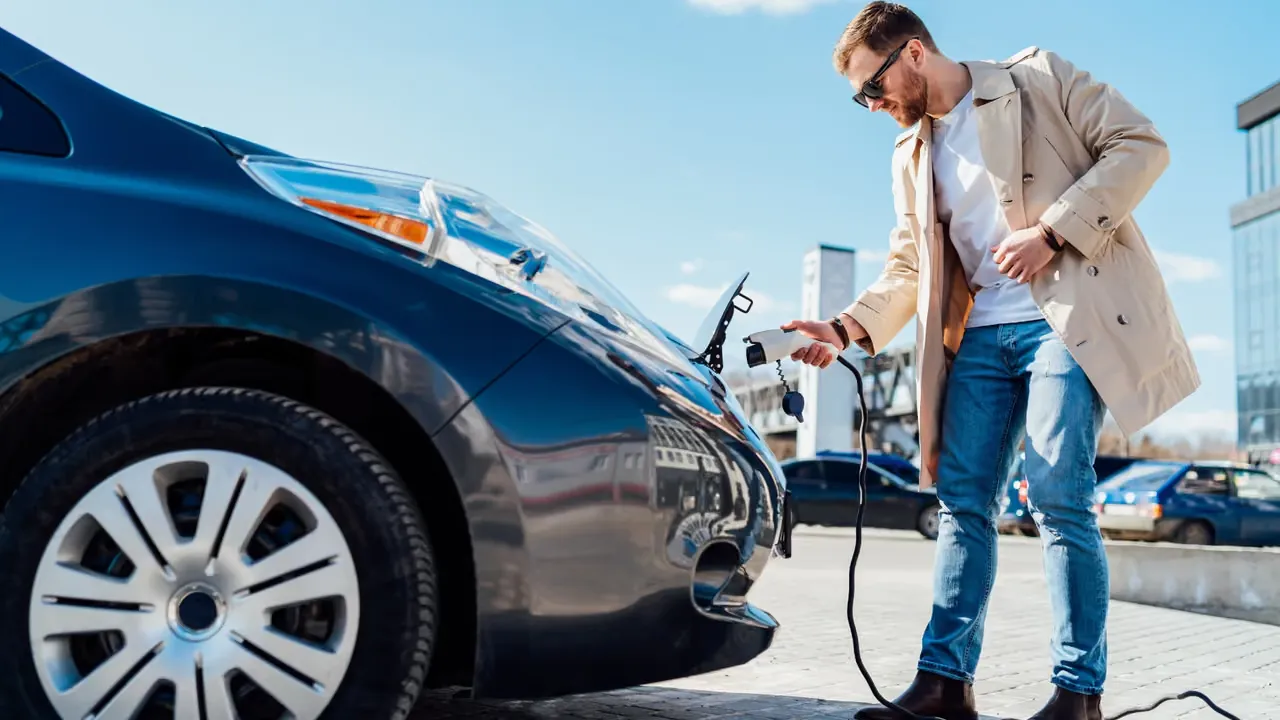
Are electric cars really as green as we think once we look beyond their lack of tailpipe emissions?
Electric vehicles (EVs) have earned a reputation as a cleaner alternative to traditional gasoline-powered cars, largely because they produce zero emissions while driving. But the story doesn’t end there. The environmental impact of electric cars stretches far beyond the absence of exhaust fumes. To understand the full picture, we need to dig into the lifecycle of their batteries, the mining of materials required, and what happens when those batteries reach the end of their usefulness.
The Full Lifecycle of Electric Car Batteries
The heart of any electric car is its battery pack, usually made from lithium-ion cells. These batteries store the energy that powers the vehicle, but they also carry an environmental cost that starts long before the car hits the road.
Making EV batteries uses a lot of energy. Extracting raw materials, processing them, and assembling the cells consumes significant power, often from fossil fuels depending on the region. Estimates suggest that producing an EV battery can create as much as 150 to 200 kilograms of CO2 per kilowatt-hour of battery capacity. For a typical 60 kWh battery, that adds up to roughly 9 to 12 tons of CO2 upfront—sometimes offset only after tens of thousands of miles driven.
But the environmental costs don’t stop at carbon emissions. Battery production also involves large water use, chemical processing, and waste generation, all of which carry ecological risks.
Mining and Resource Challenges Behind EV Components
One of the biggest environmental and ethical concerns around electric cars is mining key materials like lithium, cobalt, nickel, and manganese. These elements are essential for battery performance but are unevenly spread across the globe and often mined under troubling conditions.
- Lithium is often taken from brine pools or hard rock mining. Extracting lithium uses large amounts of water. In dry areas like parts of South America, this can threaten local water supplies and ecosystems.
- Cobalt is a key part of many battery types. Mining cobalt has been linked to human rights abuses, including child labor, especially in the Democratic Republic of Congo, which supplies most of the world’s cobalt.
- Nickel and Manganese mining can cause habitat destruction and pollution if not done carefully.
These challenges reveal a tension between the green image of electric cars and the environmental and social impacts hidden in their supply chains.
Recycling and Second-Life Opportunities for EV Batteries
What happens when electric car batteries reach the end of their automotive life? Unlike gasoline tanks, these batteries don’t just get thrown away, but efficient and widespread recycling systems are still catching up.
Recycling lithium-ion batteries can recover valuable materials like lithium, cobalt, and nickel. This reduces the need for new mining and lowers environmental harm. But the process is complex and costly, partly because batteries are designed more for performance than easy recycling.
Another new approach is giving used EV batteries a “second life.” After a battery no longer meets the strict performance needs for a vehicle, it may still hold 70–80% of its original capacity. These batteries can be reused for energy storage, such as supporting the power grid or backing up home electricity. This extends their usefulness and delays recycling, which can help both the environment and the economy.
Despite these promising ideas, the recycling and second-life markets are still young and face technical, economic, and regulatory challenges.
Balancing Electric Cars Benefits with Hidden Ecological Costs
Electric cars are clearly a key part of cutting transportation emissions and fighting climate change. Yet, their environmental impact is not zero. It includes resource extraction problems, manufacturing emissions, and battery end-of-life issues.
Consumers and policymakers should know that the sustainability of electric vehicles depends heavily on the whole supply chain and how batteries are managed throughout their life. Efforts to improve mining practices, create more recyclable battery types, and build strong recycling and second-life systems are crucial to truly unlock the environmental benefits of EVs.
For those thinking about buying an electric car, it’s worth considering these factors and supporting innovations and policies that address the wider ecological footprint—not just the emissions you don’t see on the road.