Top Innovations in EV Fast Charging Tech
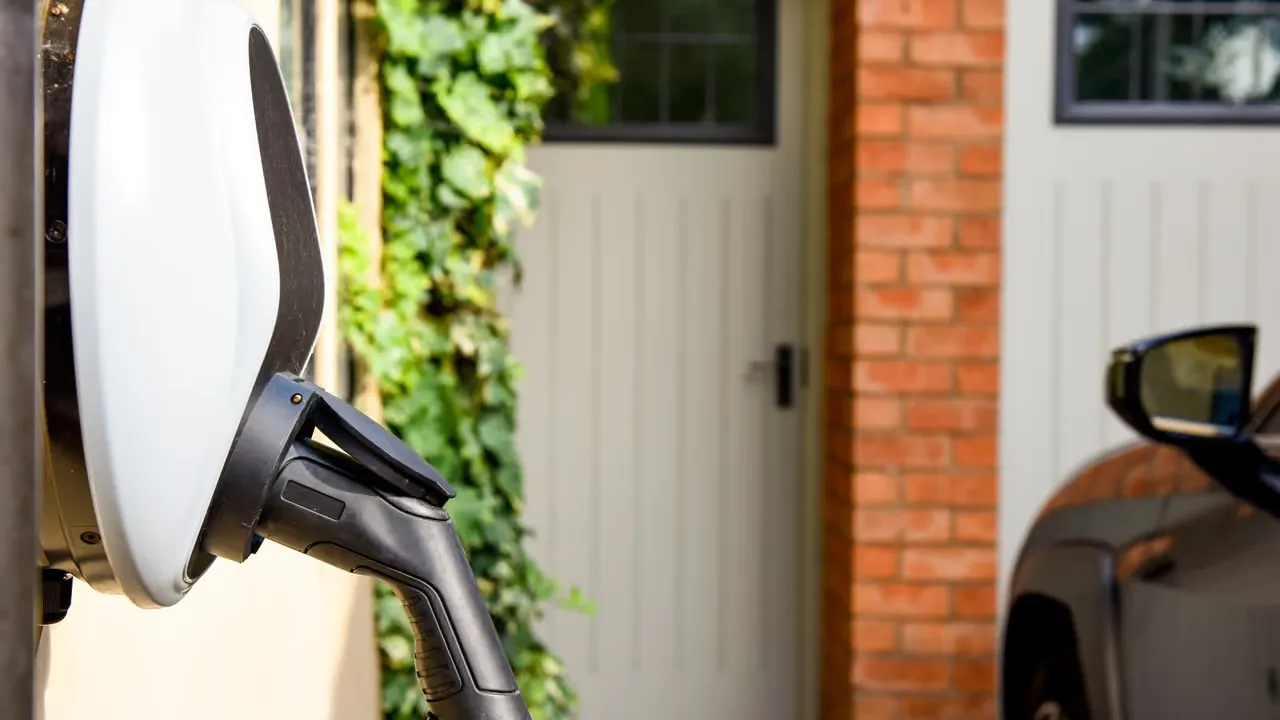
How fast can you really charge an electric vehicle without wrecking its battery? As EVs become more common, the demand for speedy charging solutions grows louder. But cranking up the voltage and pushing electrons faster isn’t as simple as it sounds. The challenge lies in cutting down charging time while making sure batteries don’t degrade prematurely. Let’s dig into the latest innovations that tackle this tricky balance.
Fast Charging Technology How Does It Work?
Fast charging mainly boils down to delivering higher power to the battery in a shorter span. Traditional home chargers often provide around 3.7 to 7.4 kW, which can take 8 to 12 hours to fully charge a typical EV. Fast chargers, on the other hand, operate at much higher power levels—usually between 50 kW and 350 kW—allowing a substantial battery fill-up in under an hour, sometimes as quick as 15 to 30 minutes.
The magic happens through direct current (DC) fast charging, which bypasses the vehicle’s onboard charger. This means the charger itself converts alternating current (AC) from the grid into DC suitable for the battery, pushing electricity more efficiently. The charger communicates with the car’s battery management system to regulate voltage and current, adjusting the flow as the battery fills up to avoid overheating.
However, pushing electrons faster introduces heat and stress. Batteries don’t like to be charged at maximum speed all the time, especially when they’re near full capacity. This is why fast chargers often slow down the charge rate as the battery approaches 80% to prevent damage.
The Balance Between Speed and Battery Longevity
Fast charging is a double-edged sword. While it’s incredibly convenient, repeated rapid charging can accelerate battery wear. Heat generated during fast charging can cause chemical reactions inside lithium-ion cells that reduce capacity over time. Excessive charging current also stresses the battery’s internal structure.
Manufacturers combat this risk with sophisticated battery management systems (BMS) that monitor temperature, voltage, and current in real time. These systems throttle charging speed dynamically, prioritizing battery health over raw speed when necessary. Additionally, advancements in battery chemistry, such as using silicon anodes or solid-state electrolytes, promise better tolerance to fast charging.
Another consideration is charging habits. Regularly topping up instead of draining the battery completely and then fast charging can extend battery life. Some EV makers even recommend limiting fast charging sessions and using slower Level 2 chargers for daily use.
Emerging Solutions Wireless and Solar-Powered EV Chargers
Beyond traditional plug-in fast charging, innovation is pushing boundaries in two interesting directions: wireless charging and solar-powered stations.
Wireless Charging
Inductive charging pads embedded in garage floors or parking spots allow EVs to charge without plugging in. While current wireless chargers typically operate at lower power levels (around 7.7 kW), research is advancing toward faster wireless solutions that could match wired fast chargers. The challenge is maintaining efficiency and managing heat, as wireless power transfer tends to waste more energy as heat compared to wired systems.
Solar-Powered Chargers
Integrating solar panels with EV chargers is gaining traction as a clean energy solution. Solar can power fast chargers directly or feed the grid with renewable energy, reducing the environmental footprint. Some innovative setups pair solar arrays with battery storage to provide consistent high-power charging even when the sun isn’t shining. Though solar fast charging isn’t yet widespread due to cost and scalability, pilot projects show promise for off-grid or eco-conscious drivers.
What Consumers Should Know Before Choosing a Fast Charger
Not all fast chargers are created equal, and picking the right one depends on your EV, driving habits, and budget.
- Compatibility: Make sure the charger matches your vehicle’s charging standard (CCS, CHAdeMO, Tesla Supercharger, etc.). Using an incompatible charger can limit charging speed or damage equipment.
- Charging Speed: Check the maximum charging rate your EV can handle. Buying a 350 kW charger won’t speed up charging if your car caps out at 50 kW.
- Location and Access: Fast chargers are often found along highways and urban centers. Consider where you live and drive daily to find convenient stations.
- Cost: Fast charging stations can be pricier to use than slower ones, sometimes charging per kWh or per minute. A home fast charger installation can also be costly due to higher electrical requirements.
- Battery Health: Avoid relying solely on fast charging. Mix in slower Level 2 charging to protect your battery’s lifespan.
As EV technology evolves, the lines between speed, convenience, and battery care will continue to blur. For now, understanding what fast charging entails and choosing wisely can keep your EV ready to roll without sacrificing the heart of the vehicle—the battery.