TheFutureofElectricVehicles
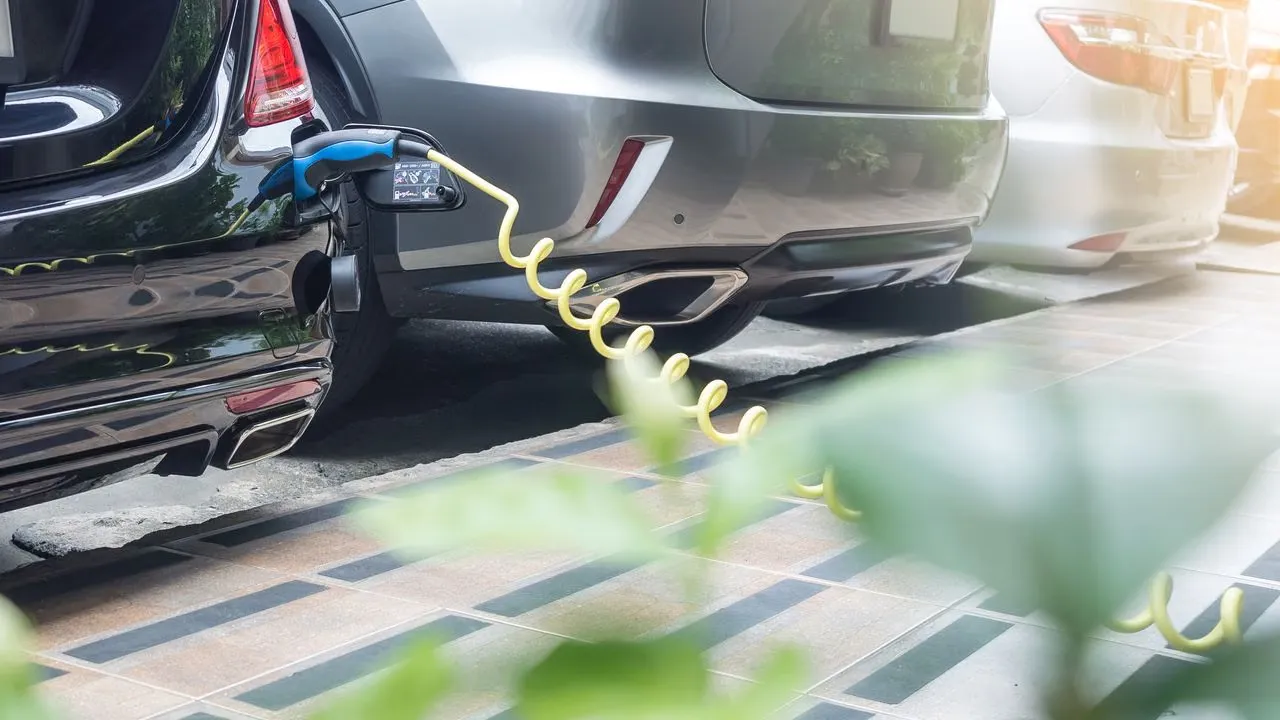
The Future of Electric Vehicles: A Look into EV Battery Technology and Charging Standards
Welcome to the future of transportation! Electric vehicles (EVs) are revolutionizing the way we think about cars, and with advancements in technology, the future is looking brighter than ever. In this article, we will delve into the world of battery electric vehicles, EV battery technology, and EV charging standards.
Battery Electric Vehicles (BEVs)
Battery electric vehicles, or BEVs, are vehicles that are powered solely by electricity stored in rechargeable batteries. Unlike traditional gasoline-powered cars, BEVs produce zero tailpipe emissions, making them a cleaner and more sustainable mode of transportation.
One of the key components of BEVs is their battery technology. EV battery technology has been rapidly evolving, leading to improvements in battery capacity, charging times, and overall performance. Manufacturers are constantly working on developing more efficient and affordable batteries to meet the growing demand for electric vehicles.
EV Battery Technology
The heart of any electric vehicle is its battery. EV battery technology has come a long way in recent years, with advancements in lithium-ion batteries being at the forefront of innovation. These batteries offer high energy density, long cycle life, and fast charging capabilities, making them ideal for powering electric vehicles.
Researchers and engineers are also exploring new battery chemistries, such as solid-state batteries, that promise even greater energy density and safety. As battery technology continues to improve, we can expect to see EVs with longer ranges, faster charging times, and lower costs in the near future.
EV Charging Standards
One of the challenges facing the widespread adoption of electric vehicles is the availability of charging infrastructure. EV charging standards play a crucial role in ensuring interoperability and compatibility between different EV models and charging stations.
There are several EV charging standards in use today, including CHAdeMO, CCS (Combined Charging System), and Tesla’s proprietary Supercharger network. These standards dictate the type of connector and communication protocol used for charging, making it easier for EV drivers to find and use charging stations wherever they go.
Conclusion
As we look towards a future powered by electric vehicles, it’s clear that advancements in EV battery technology and EV charging standards will play a key role in shaping the transportation industry. With ongoing research and development, we can expect to see even more efficient, affordable, and environmentally friendly electric vehicles on the roads in the years to come.