The Future of Electric Cars and E-Mobility
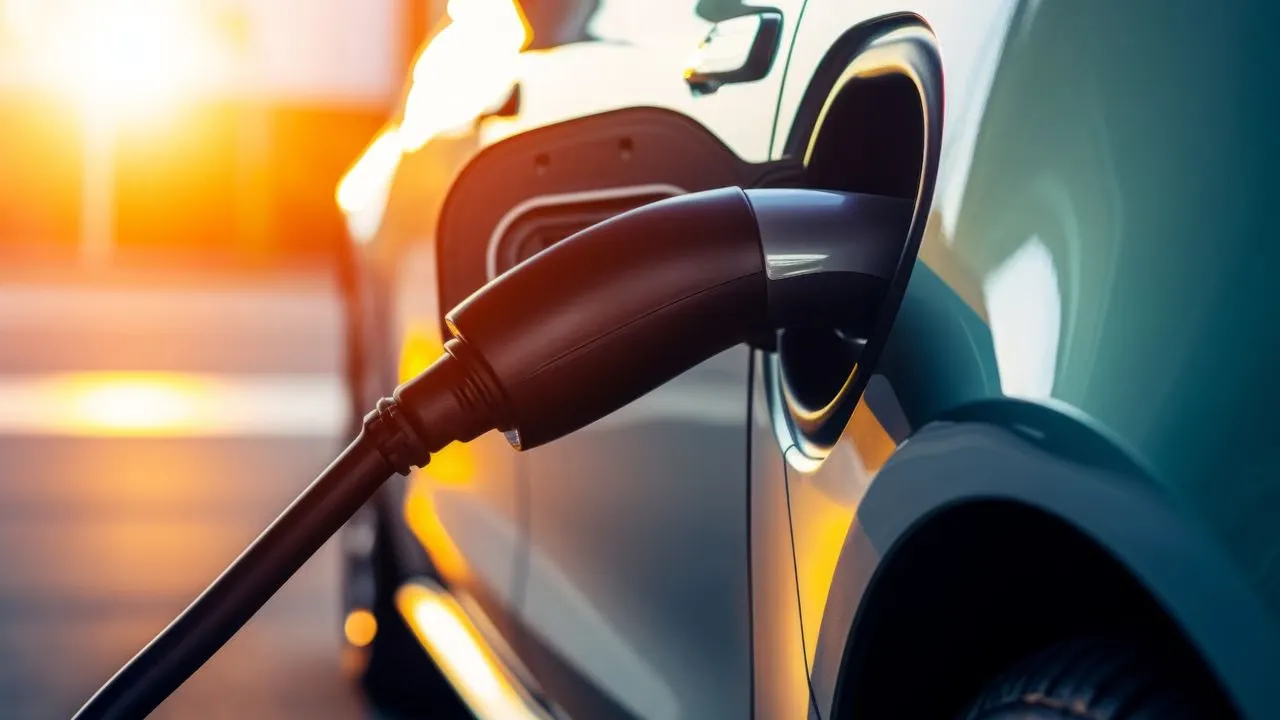
The Future of Electric Cars and E-Mobility: Exploring EV Advancements, Autonomous Driving, and More
Electric cars, also known as electric vehicles (EVs), are rapidly gaining popularity as a sustainable and eco-friendly mode of transportation. With advancements in technology and an increasing focus on e-mobility, the future of electric cars looks promising. In this article, we will delve into the exciting developments in EVs, including EV advancements, autonomous driving, and the overall growth of e-mobility.
EV Advancements: A Step Towards a Greener Future
One of the key drivers of the electric car revolution is the continuous advancements in EV technology. Over the years, EVs have become more efficient, affordable, and accessible to the masses. Battery technology, in particular, has witnessed significant improvements, leading to increased range and faster charging times.
With the introduction of solid-state batteries, the limitations of traditional lithium-ion batteries are being addressed. Solid-state batteries offer higher energy density, longer lifespan, and improved safety. These advancements will not only enhance the driving experience but also contribute to a greener future by reducing carbon emissions.
Autonomous Driving: Redefining the Driving Experience
Another exciting aspect of the future of electric cars is the integration of autonomous driving technology. Autonomous vehicles have the potential to revolutionize the way we commute, making it safer, more efficient, and less stressful.
Autonomous driving technology relies on a combination of sensors, cameras, and artificial intelligence to navigate roads and make informed decisions. While fully autonomous vehicles are still in the testing phase, many electric cars already incorporate advanced driver-assistance systems (ADAS) that provide features like lane-keeping assist, adaptive cruise control, and automatic emergency braking.
As autonomous driving technology continues to evolve, we can expect a future where electric cars will be able to navigate complex road conditions, communicate with each other, and optimize traffic flow. This will not only reduce accidents but also improve traffic congestion and overall transportation efficiency.
E-Mobility: A Paradigm Shift in Transportation
Alongside EV advancements and autonomous driving, the concept of e-mobility is gaining traction. E-mobility refers to the integration of electric vehicles into a broader ecosystem that includes charging infrastructure, renewable energy sources, and smart grid systems.
With the increasing adoption of electric cars, the demand for charging stations is also on the rise. Governments, businesses, and individuals are investing in the installation of charging infrastructure to support the growing number of EVs on the road. This development is crucial for the widespread acceptance of electric cars and the transition to a sustainable transportation system.
Moreover, e-mobility encompasses the use of renewable energy sources to power electric vehicles. Solar and wind energy are being harnessed to charge EVs, reducing reliance on fossil fuels and further minimizing carbon emissions. The integration of smart grid systems allows for efficient management of energy resources, ensuring optimal charging and distribution of electricity.
In Conclusion
The future of electric cars and e-mobility is undeniably bright. With continuous EV advancements, the integration of autonomous driving technology, and the growth of e-mobility, we are witnessing a paradigm shift in transportation. Electric cars are no longer a niche market but are becoming a mainstream choice for eco-conscious consumers.
As we move towards a greener and more sustainable future, the development and widespread adoption of electric cars and e-mobility will play a vital role. These advancements not only benefit the environment but also contribute to a safer and more efficient transportation system for all.