Race For Metals Fuels Electric Car Boom
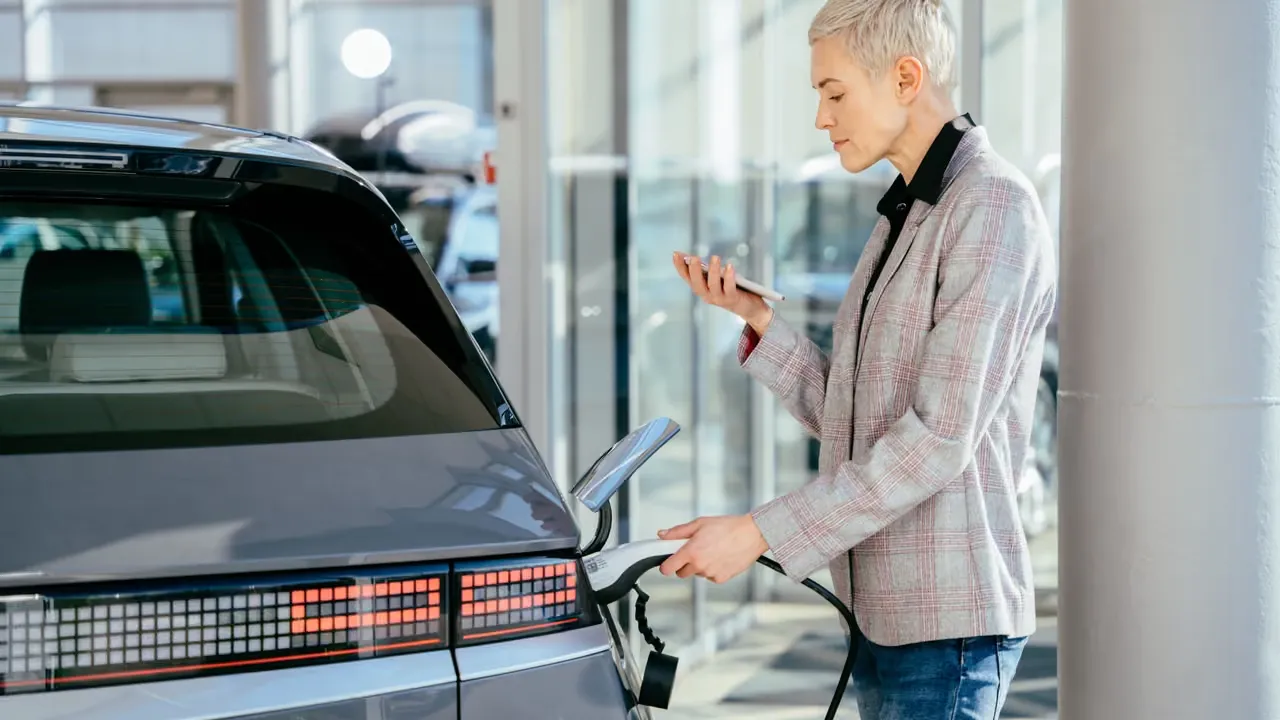
Electric cars are no longer a niche curiosity; they are a powerful force rewriting the rules of the automotive world. But beyond the sleek designs and silent rides lies a seismic shift in the raw materials and supply chains that make these vehicles possible. The demand for electric vehicles (EVs) isn’t just changing what’s under the hood—it’s reshaping entire global industries and geopolitical landscapes.
The Surge in Demand for Lithium Cobalt and Nickel
At the heart of every electric car is its battery, and these batteries are hungry for specific raw materials. Lithium, cobalt, and nickel are the trio that powers the lithium-ion batteries dominating the EV market. This surge in demand is unprecedented. To put it bluntly: the electric car revolution has triggered a race to mine and secure these metals.
Lithium is the star player, prized for its light weight and energy density, critical for extending EV ranges. According to industry forecasts, lithium demand is expected to increase more than tenfold by 2030. Cobalt, often dubbed the “controversial metal,” is vital for battery stability and longevity but comes with serious ethical and supply concerns, given much of it is mined in the Democratic Republic of Congo under questionable labor conditions. Nickel is equally important, especially for higher energy density batteries, but its supply chains are also under pressure as the EV market expands rapidly.
Geopolitical Implications of Concentrated Raw Material Reserves
The challenge is that these critical raw materials are not evenly spread across the globe. A handful of countries control the lion’s share of reserves, creating new geopolitical tensions and dependencies.
- Lithium: Australia, Chile, and China dominate lithium production. Chile’s vast salt flats, Australia’s hard rock mines, and China’s extensive processing facilities form a fragile triangle of supply.
- Cobalt: The Democratic Republic of Congo produces over 60% of the world’s cobalt, raising concerns about supply security and ethical sourcing.
- Nickel: Indonesia and the Philippines are major producers, with Indonesia recently implementing export bans to encourage local refining, disrupting global supply.
These concentrations mean that fluctuations in any one country—be it political unrest, export restrictions, or environmental regulations—can ripple through the global EV supply chain. For automakers, this creates a high-stakes balancing act between securing raw materials, managing costs, and maintaining ethical standards.
Innovations in Battery Recycling and Alternative Materials
But the story doesn’t end with mining. The pressure on raw materials has spurred innovation in battery recycling and the search for alternative materials, aiming to reduce dependency on newly mined metals and mitigate environmental impacts.
Battery recycling is gaining traction as a critical piece of the puzzle. Technologies that recover lithium, cobalt, and nickel from spent batteries are advancing rapidly. Companies are investing heavily in recycling plants designed to extract these metals efficiently and economically. This creates a circular economy that could alleviate supply constraints and reduce the environmental footprint of battery production.
At the same time, researchers and manufacturers are experimenting with new battery chemistries that minimize or eliminate cobalt and reduce nickel content. For example, lithium iron phosphate (LFP) batteries, which use iron and phosphate instead of cobalt and nickel, are becoming popular for certain EV models. These batteries trade some energy density for lower cost and improved safety, and they rely on more abundant raw materials.
Solid-state batteries, still in development, promise to further shake up the raw materials landscape by potentially using different materials and offering higher energy densities and faster charging.
The Future of Automotive Manufacturing Supply Chains in an Electrified World
Automotive manufacturing is undergoing a profound transformation. EVs require fewer parts overall but demand new materials, components, and production processes. This shift means supply chains must evolve from being centered on steel, aluminum, and internal combustion engine parts to a focus on battery materials, semiconductors, and electric drivetrains.
For automakers, this means forging closer relationships with mining companies, battery producers, and recyclers. Vertical integration is on the rise, with companies seeking to secure supply chains from raw material extraction to battery manufacturing to final assembly.
Geographical diversification of supply chains is also becoming a priority to mitigate risks associated with concentrated raw material sources. Meanwhile, governments are stepping in with policies and incentives to promote domestic mining, processing, and recycling capabilities, aiming to reduce dependency on foreign sources.
In parallel, digital supply chain management and data analytics are gaining importance. Automakers are leveraging real-time tracking and predictive analytics to navigate the complex web of suppliers, anticipate bottlenecks, and optimize inventory for critical raw materials.
As electrification accelerates, expect to see more strategic moves like partnerships between automakers and battery manufacturers, investments in mining projects, and a stronger emphasis on sustainability and ethical sourcing throughout the supply chain. The automotive industry’s future is electric—and the race for raw materials and supply chain innovation is just getting started.