Future of EV Charging in Your Neighborhood
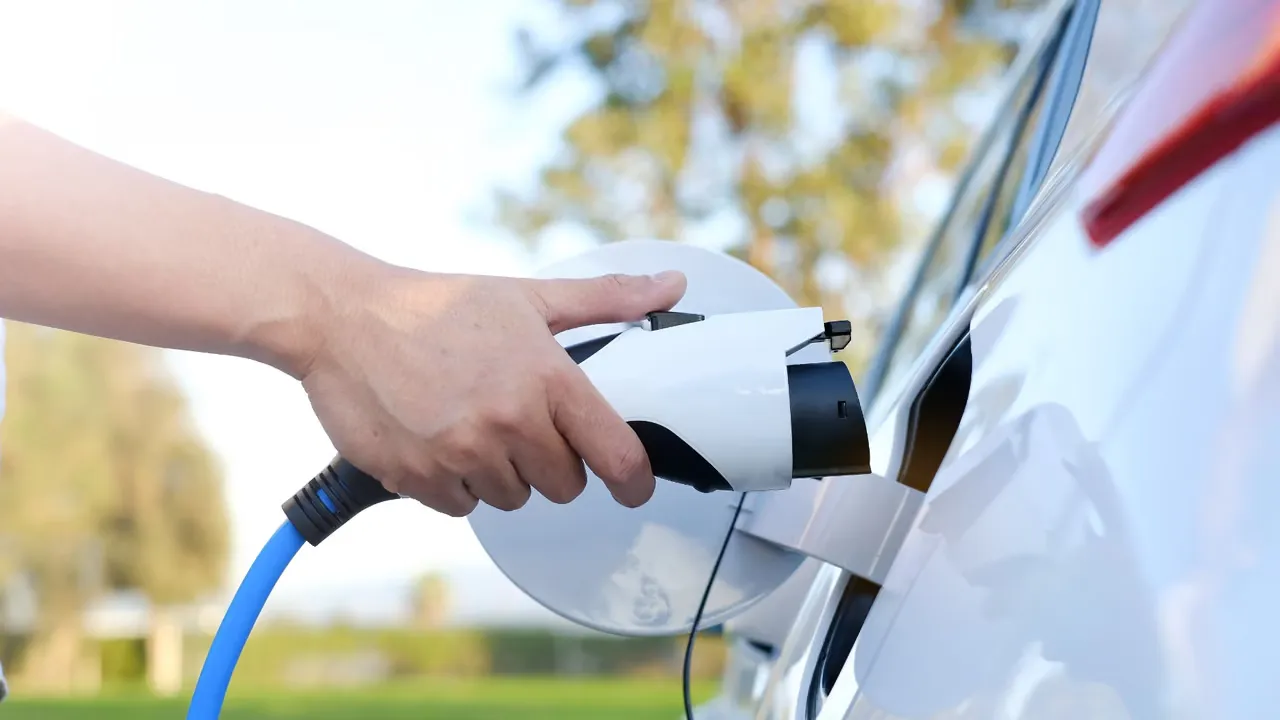
Electric vehicle charging is no longer confined to plugging in at a stationary point. Emerging technologies are reshaping how drivers power their EVs, pushing the boundaries of convenience, speed, and sustainability. The future of EV charging looks less like a chore and more like a seamless part of daily life.
Wireless Charging Convenience Through Innovation
Imagine pulling into your garage or parking spot and having your EV charge automatically—no cords, no plugs. Wireless charging technology is turning this vision into reality. Using electromagnetic fields, wireless chargers transfer energy between a charging pad on the ground and a receiver on the vehicle. This method eliminates the need for physical connectors, reducing wear and tear and making the charging process more user-friendly.
While still in early stages of widespread adoption, wireless charging offers several practical benefits. For one, it simplifies charging in tight urban spaces or public parking lots where plugging in might be inconvenient or even unsafe. It also opens doors for dynamic charging, where vehicles could recharge while driving over specially equipped roads, although that technology remains experimental.
Companies are focusing on increasing the efficiency of wireless chargers, aiming to match or exceed the performance of traditional plug-in systems. As these systems improve, expect wireless charging to become a standard feature in homes, workplaces, and public infrastructure.
Smart Grid Integration Enhancing Efficiency and Sustainability
Electric vehicles and the power grid are becoming more intertwined than ever. Smart grid integration allows EV chargers to communicate with the energy grid in real-time, optimizing when and how vehicles draw power. This connectivity not only helps reduce electricity costs but also plays a crucial role in managing grid stability and incorporating renewable energy sources.
By scheduling charging during off-peak hours or when solar and wind energy production is high, smart grids minimize reliance on fossil fuels and reduce strain on the electrical infrastructure. Some systems even enable vehicle-to-grid (V2G) technology, where parked EVs can supply excess stored energy back to the grid during peak demand periods. This bidirectional flow transforms EVs from mere consumers into active participants in energy management.
Smart grid-enabled chargers often come with apps or software platforms that allow drivers to monitor energy usage, set preferences, and receive incentives for charging at optimal times. This integration is a win-win for consumers and utilities alike, making EV adoption more sustainable and cost-effective.
Ultra-Fast Charging Stations Reducing Downtime for EV Owners
One of the biggest hurdles for EV drivers has been the time it takes to recharge compared to refueling a gasoline car. Enter ultra-fast charging stations, which can replenish an EV battery in a fraction of the time traditional chargers require. These stations use high-powered direct current (DC) chargers, often delivering 150 kW to 350 kW or more, drastically cutting charging times.
Ultra-fast chargers are not just about speed; they are engineered to handle the increased electrical load safely and efficiently. They often feature advanced cooling systems and sophisticated battery management protocols to preserve battery health during rapid charging sessions. As battery technology evolves, these stations will become even more capable, pushing charging times closer to the five-to-ten-minute range.
Widespread deployment of ultra-fast charging hubs along highways and in urban centers is critical to making long-distance EV travel practical. These stations reduce range anxiety and give drivers the confidence to switch from fossil fuels without sacrificing convenience.
Battery Swapping A Potential Game-Changer in EV Charging
Battery swapping flips the traditional charging model on its head by replacing depleted batteries with fully charged ones in minutes. Instead of waiting to recharge, drivers pull into a swapping station where a robotic system removes the empty battery and installs a charged unit, getting them back on the road almost instantly.
This approach has seen success in certain markets, particularly for commercial fleets and taxis where downtime means lost revenue. Battery swapping eliminates concerns about battery degradation since swapped batteries are maintained and managed by the service provider. It also lowers the upfront cost of EVs by decoupling battery ownership from the vehicle itself.
Challenges remain, including the need for standardization of battery packs across manufacturers and significant infrastructure investment. However, if these hurdles are overcome, battery swapping could revolutionize EV charging by offering a convenience level comparable to traditional refueling stations.