Five Ways to Charge Your EV More Eco Friendly
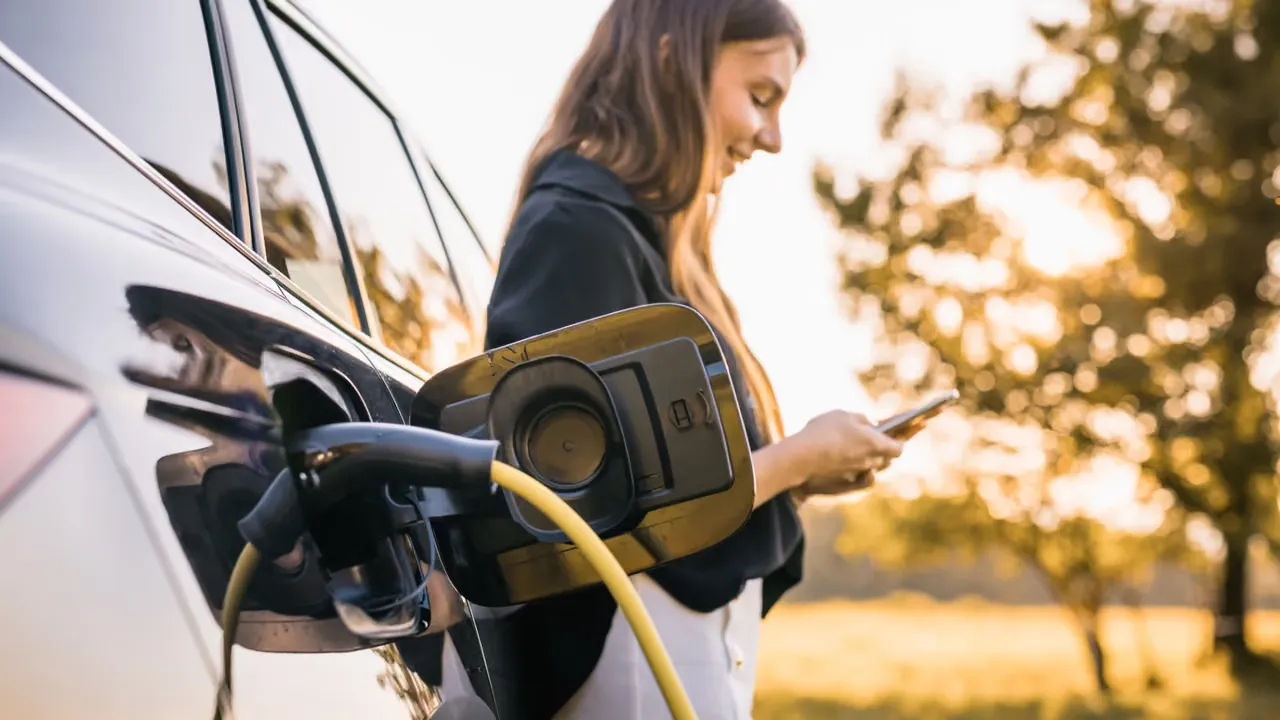
Have you ever wondered how the way you charge your electric vehicle affects the environment beyond just the price tag or the speed of the charger?
Comparing the Carbon Footprint of Home Charging Versus Public Fast Charging
When it comes to charging an electric vehicle (EV), the choice often boils down to convenience and cost. But the environmental impact varies significantly depending on whether you plug in at home or use a public fast charger. Home charging typically uses slower chargers—Level 1 or Level 2—that draw power over several hours, while public fast chargers (Level 3) can deliver a substantial charge in under an hour.
Slower home charging tends to be more energy-efficient because it generates less heat and reduces battery stress, leading to better overall efficiency. Fast chargers, on the other hand, require more robust cooling systems and often experience higher energy losses during rapid charging sessions. This means that, per kilowatt-hour delivered to the battery, fast charging can have a higher carbon footprint.
Moreover, the timing of charging plays a role. Home charging often occurs overnight when electricity demand is lower, potentially tapping into cleaner energy sources. Public fast charging stations, especially those on highways or in urban centers, may be powered by the grid at peak hours, when fossil fuel generation is more prevalent.
How the Source of Electricity Affects the Overall Sustainability of EV Charging
Not all electricity is created equal. The environmental benefits of electric vehicles depend heavily on the mix of energy sources feeding the grid. Charging an EV in a region powered mostly by coal or natural gas can result in a higher carbon footprint than charging in an area rich in renewables like wind, solar, or hydropower.
For example, an EV charged in Norway, where hydropower dominates, produces far fewer emissions than one charged in parts of the United States or China, where fossil fuels still play a large role. This means that the sustainability of your EV charging is inherently linked to your local grid’s energy profile.
Some EV owners invest in home solar panels to generate their own clean electricity. This approach slashes the carbon footprint of charging to near zero, but it requires upfront investment and suitable sunlight exposure. For those without solar, timing charging to coincide with periods of high renewable energy availability on the grid, often during the day or early evening, can help reduce environmental impact.
Technological Advancements Reducing Environmental Impacts in EV Charging Stations
Charging technology is evolving rapidly to address environmental concerns. One notable advancement is the integration of smart charging systems that communicate with the grid to optimize when and how EVs charge. These systems can delay charging during peak demand periods, reducing reliance on fossil fuel plants.
Some public fast charging stations now incorporate on-site renewable energy sources, such as solar canopies, to supplement grid power. Additionally, innovations in battery management and cooling technology are making fast chargers more efficient, reducing energy losses and the associated carbon footprint.
Another exciting development is vehicle-to-grid (V2G) technology, which allows EVs to feed stored energy back into the grid during peak demand. This not only supports grid stability but also maximizes the use of renewable energy, minimizing environmental impacts.
Practical Tips for EV Owners to Minimize Their Charging-Related Carbon Emissions
- Charge at home when possible: Use Level 2 chargers overnight to take advantage of off-peak hours and potentially cleaner grid power.
- Consider renewable energy options: Installing solar panels or purchasing green energy plans can dramatically reduce your charging emissions.
- Avoid frequent use of fast chargers: Reserve fast charging for long trips to minimize energy losses and battery degradation.
- Use smart charging apps or timers: Schedule charging during times when renewable energy is abundant or grid demand is low.
- Stay informed about your local grid’s energy mix: Adjust your charging habits based on when cleaner energy is available.