Fast Charging vs Slow Charging for Electric Vehicles
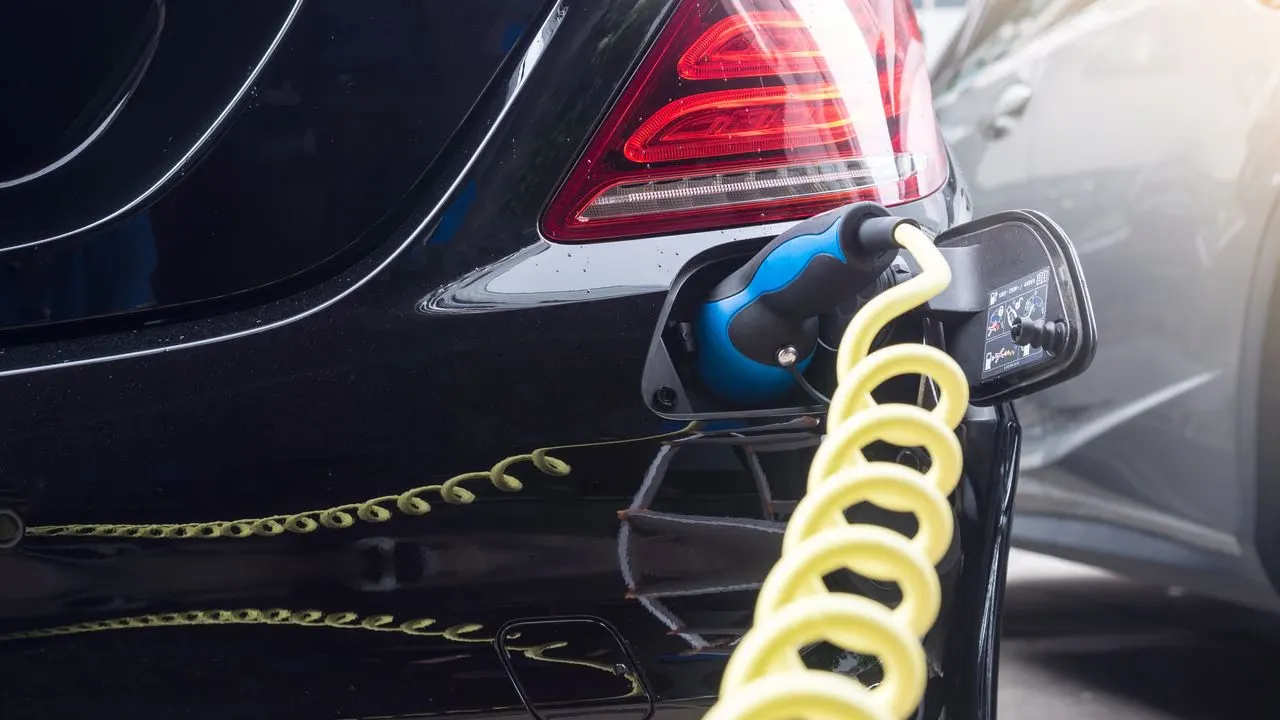
Fast Charging vs. Slow Charging: Which is Best for Your Electric Vehicle?
When it comes to charging your electric vehicle (EV), there are two options: fast charging and slow charging. Both have their advantages and disadvantages, so it’s important to understand how they differ and which one is best suited for your needs.
Battery Capacity
One of the key factors to consider when deciding between fast charging and slow charging is your EV’s battery capacity. Fast charging can deliver a significant amount of power to your battery in a short amount of time, making it ideal for those who need to quickly top up their battery and get back on the road.
On the other hand, slow charging takes longer to replenish your battery’s capacity. This can be a drawback if you’re in a hurry, but it can also be an advantage if you have ample time to charge your vehicle overnight or during the workday.
Charging Infrastructure
Another important consideration is the availability of charging infrastructure. Fast charging stations are becoming more common, especially along major highways and in urban areas. These stations can charge your EV to 80% capacity in as little as 30 minutes, making long trips more feasible.
However, slow charging stations are more widely available and can be found in residential areas, workplaces, and even some public parking lots. This means that you can easily charge your EV wherever you are, without having to rely solely on fast charging stations.
Charging Speed
The most obvious difference between fast charging and slow charging is the speed at which your EV’s battery charges. Fast charging can deliver a high amount of power, allowing you to quickly charge your vehicle and get back on the road.
Slow charging, on the other hand, takes longer to charge your EV. This can be a disadvantage if you’re in a hurry, but it can also be an advantage if you have ample time to charge your vehicle overnight or during the workday.
Conclusion
Ultimately, the choice between fast charging and slow charging depends on your specific needs and circumstances. If you frequently take long trips and need to quickly charge your EV, fast charging may be the better option for you. On the other hand, if you have access to a reliable slow charging infrastructure and have enough time to charge your vehicle, slow charging can be a convenient and cost-effective choice.
Regardless of which option you choose, it’s important to consider factors such as battery capacity, charging infrastructure, and charging speed to ensure that you can effectively and efficiently charge your electric vehicle.