Energy Storage Systems: Powering Renewable Energy
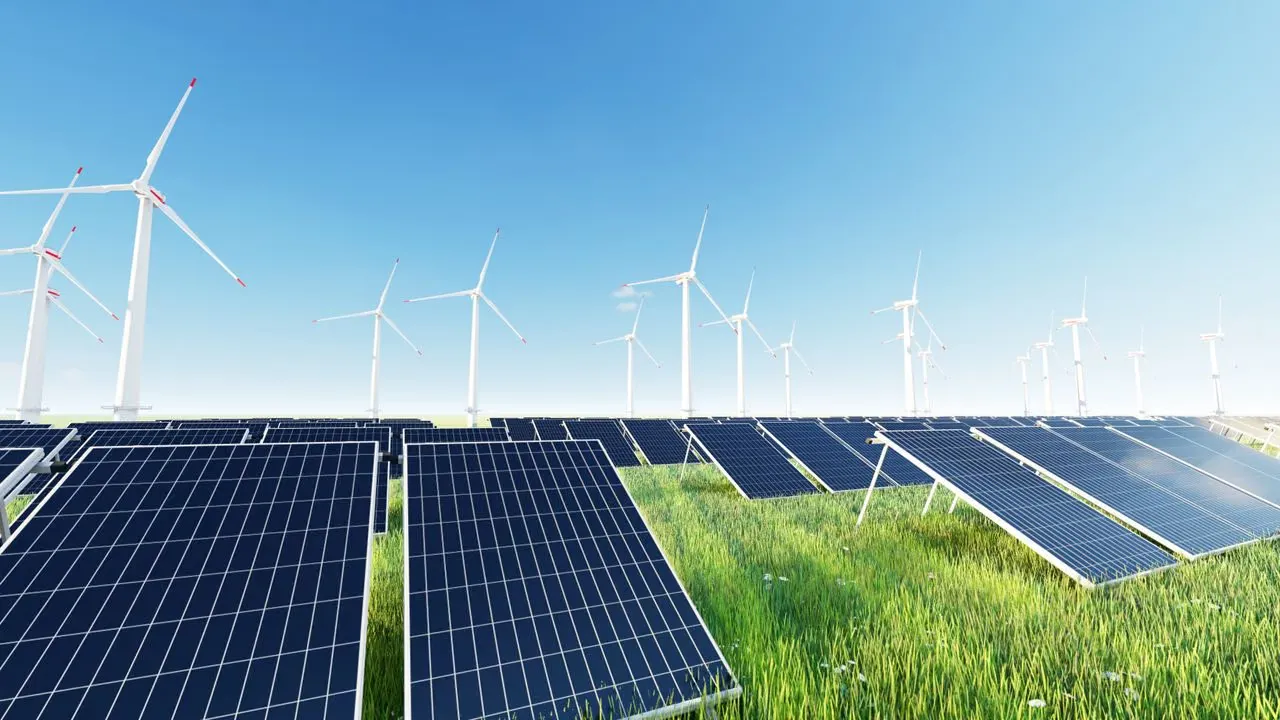
Energy Storage Systems: A Breakthrough in Renewable Energy
As the world continues to shift towards renewable energy sources, the need for efficient energy storage systems becomes increasingly important. Energy storage systems play a crucial role in stabilizing the intermittent nature of renewable energy generation and ensuring a reliable and continuous power supply. In this article, we will explore the concept of energy storage systems and delve into the advancements made in flow batteries, energy storage management, and battery storage.
Flow Batteries: Unleashing the Power of Liquid Electrolytes
Flow batteries have emerged as a promising technology for large-scale energy storage. Unlike conventional batteries, which store energy in solid materials, flow batteries store energy in liquid electrolytes. This unique design allows for the independent scaling of power and energy capacity, making flow batteries highly flexible and adaptable to various applications.
The key components of a flow battery include two electrolyte tanks, a stack of electrochemical cells, and a membrane that separates the two electrolytes. During charging and discharging, the electrolytes flow through the cells, where the chemical reactions take place. This continuous flow of electrolytes enables flow batteries to deliver long-duration energy storage with high efficiency.
One of the most notable advantages of flow batteries is their ability to decouple power and energy capacity. This means that flow batteries can be easily scaled up or down by simply adjusting the size of the electrolyte tanks, making them suitable for both grid-scale and residential applications.
Energy Storage Management: Optimizing Efficiency and Reliability
Efficient management of energy storage systems is crucial for maximizing their performance and ensuring long-term reliability. Energy storage management involves monitoring, controlling, and optimizing the operation of energy storage systems to meet the specific requirements of different applications.
Advanced energy storage management systems utilize sophisticated algorithms and control strategies to balance energy supply and demand, minimize energy losses, and extend the lifespan of storage systems. These systems also enable seamless integration with renewable energy sources, allowing excess energy to be stored during periods of low demand and discharged when demand is high.
Furthermore, energy storage management systems provide valuable insights into the performance and health of storage systems through real-time monitoring and data analysis. This information helps identify potential issues and optimize system operation, ultimately improving overall efficiency and reducing maintenance costs.
Battery Storage: Empowering Renewable Energy Integration
Battery storage has revolutionized the way renewable energy is integrated into the grid. Battery storage systems, such as lithium-ion batteries, offer a compact and efficient solution for storing energy generated from renewable sources like solar and wind.
These batteries are composed of one or more electrochemical cells that convert chemical energy into electrical energy. Lithium-ion batteries, in particular, have gained significant popularity due to their high energy density, longer lifespan, and faster charging capabilities.
Battery storage systems provide several benefits, including peak shaving, load shifting, and grid stabilization. They allow excess energy to be stored during periods of low demand and discharged during peak demand, reducing the strain on the grid and ensuring a reliable power supply.
Moreover, battery storage systems can also serve as backup power sources during grid outages, providing uninterrupted electricity to critical facilities and households. This enhances grid resilience and mitigates the impact of power disruptions caused by natural disasters or other unforeseen events.
Conclusion
Energy storage systems, including flow batteries, energy storage management, and battery storage, are pivotal in driving the widespread adoption of renewable energy. These technologies enable a more reliable and efficient energy supply, reduce reliance on fossil fuels, and contribute to a sustainable future. As advancements continue to be made in energy storage systems, we can expect even greater integration of renewable energy sources and a more resilient and sustainable power grid.