Energy Efficient Buildings: The Future of Sustainability
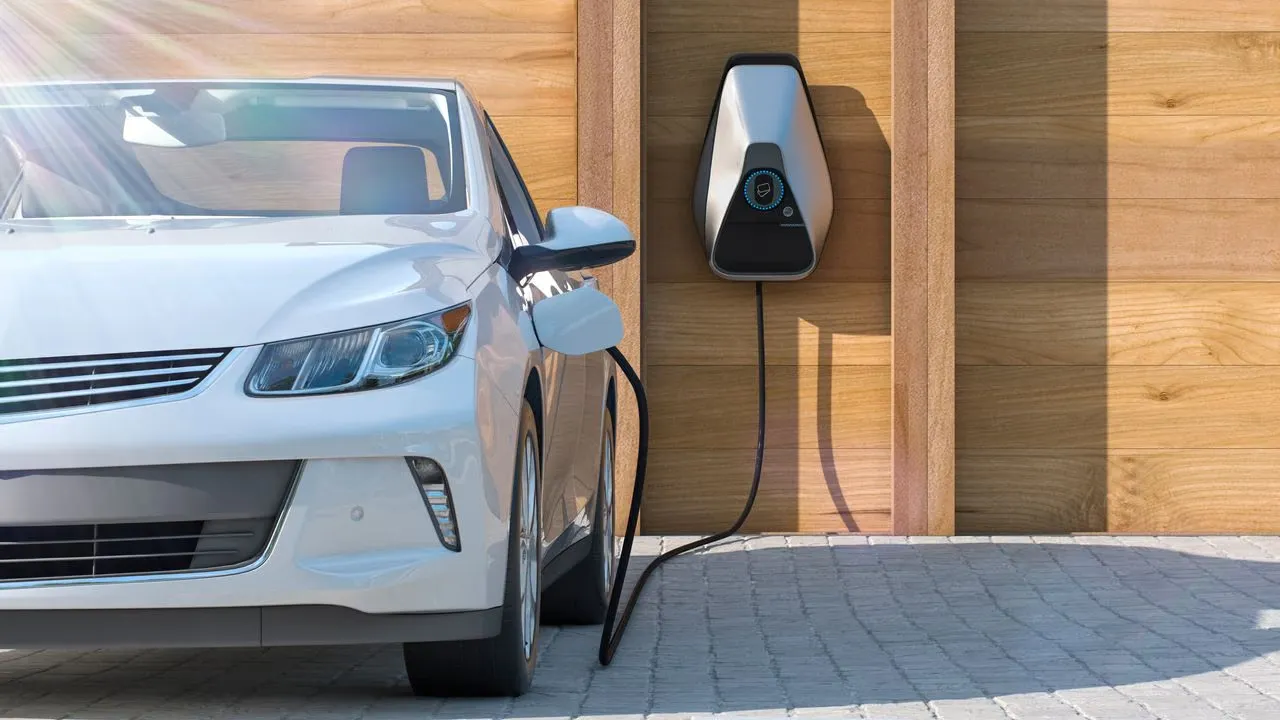
Energy-Efficient Buildings: The Future of Sustainable Architecture
When it comes to constructing buildings, there is a growing emphasis on energy efficiency and sustainability. High-performance buildings that prioritize energy efficiency have become a trend in the architectural industry. With the increasing concern for climate change and the need to reduce carbon emissions, energy-efficient buildings are seen as a crucial solution.
Energy-Efficient HVAC Systems
One of the key elements in creating energy-efficient buildings is the implementation of high-performance HVAC (Heating, Ventilation, and Air Conditioning) systems. These systems are designed to minimize energy consumption while maintaining optimal indoor comfort.
Traditional HVAC systems often waste energy by overcooling or overheating spaces, resulting in unnecessary energy usage and increased utility bills. Energy-efficient HVAC systems, on the other hand, utilize advanced technologies and control mechanisms to optimize energy consumption.
By incorporating features such as variable speed drives, smart thermostats, and advanced sensors, energy-efficient HVAC systems can adjust cooling and heating levels based on real-time occupancy and environmental conditions. This not only reduces energy waste but also provides a more comfortable and personalized indoor environment for occupants.
Building Automation for Energy Efficiency
Building automation is another crucial aspect of energy-efficient buildings. By integrating various building systems such as lighting, HVAC, and security into a centralized control system, building automation allows for efficient monitoring and management of energy usage.
With the help of sensors and intelligent algorithms, building automation systems can detect occupancy patterns, adjust lighting levels, and optimize HVAC settings based on real-time data. This level of automation ensures that energy is only consumed when and where it is needed, resulting in significant energy savings.
Moreover, building automation systems enable remote monitoring and control, allowing facility managers to make informed decisions and adjustments to optimize energy efficiency. This not only reduces operational costs but also enhances the overall sustainability of the building.
The Benefits of Energy-Efficient Buildings
Energy-efficient buildings offer numerous benefits, both for the environment and for the occupants. Let’s take a look at some of the key advantages:
- Reduced Energy Consumption: Energy-efficient buildings significantly reduce energy consumption, leading to lower utility bills and decreased carbon emissions.
- Improved Indoor Comfort: High-performance HVAC systems ensure a comfortable indoor environment by providing precise temperature and humidity control.
- Enhanced Air Quality: Energy-efficient buildings often incorporate advanced air filtration systems, resulting in improved indoor air quality and better health for occupants.
- Long-Term Cost Savings: While the initial cost of constructing an energy-efficient building may be slightly higher, the long-term cost savings in terms of reduced energy bills and maintenance expenses outweigh the initial investment.
- Positive Brand Image: Energy-efficient buildings demonstrate a commitment to sustainability, which can enhance a company’s brand image and attract environmentally conscious tenants or customers.
Conclusion
As the world continues to grapple with the challenges of climate change, energy-efficient buildings have emerged as a crucial solution. By incorporating high-performance HVAC systems and building automation, these buildings not only reduce energy consumption but also provide a comfortable and sustainable environment for occupants. Investing in energy-efficient buildings is not only a step towards a greener future but also a smart financial decision in the long run.