Electric Vehicle Home Charging Options
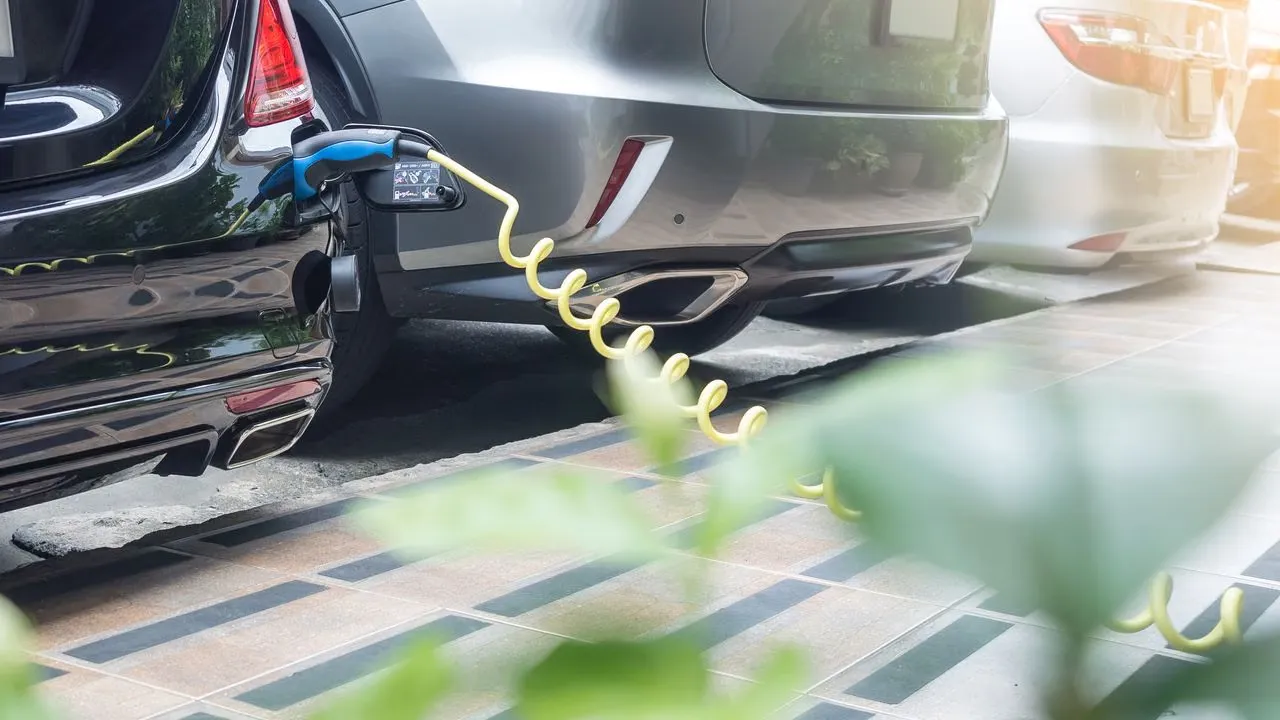
Electric Vehicle Charging at Home: Options and Considerations
So, you’ve taken the leap into the world of electric vehicles (EVs) and now you need a convenient way to keep your ride charged up. Charging your EV at home is a game-changer, offering the convenience of topping up your battery while you sleep or go about your daily routine. Let’s dive into the options and considerations for setting up your home charging station.
Charging Cost
One of the primary considerations when it comes to home EV charging is the cost. While the cost of electricity varies by location, charging an EV is generally more affordable than fueling a traditional gas-powered vehicle. To get an estimate of how much charging your EV at home will cost, you can check your electricity rates and calculate the kilowatt-hour (kWh) consumption of your vehicle.
Consider investing in a smart charger that can track your charging sessions and provide real-time cost estimates. This way, you can monitor your charging expenses and optimize your charging schedule to take advantage of off-peak electricity rates.
Smart Home Integration
Integrating your home charging station with your smart home ecosystem can take convenience to the next level. Smart chargers can be controlled remotely via a mobile app, allowing you to start or stop charging, monitor charging progress, and receive notifications on your smartphone.
With smart home integration, you can also schedule charging sessions to coincide with times when electricity rates are lower or when your solar panels are producing excess energy. This not only saves you money but also helps reduce your carbon footprint by maximizing the use of clean energy sources.
Charging Cable
When setting up your home charging station, don’t overlook the importance of the charging cable. Most EVs come with a standard Level 1 charging cable that can be plugged into a standard household outlet. While convenient for occasional use, Level 1 chargers are slower compared to Level 2 chargers.
Consider investing in a Level 2 charging station and cable for faster charging speeds. Level 2 chargers require a dedicated 240-volt outlet, similar to what you would use for a large household appliance like a clothes dryer. With a Level 2 charger, you can significantly reduce charging times and enjoy the convenience of a full battery in a shorter period.
In Conclusion
Setting up an electric vehicle charging station at home is a practical and eco-friendly solution for keeping your EV powered up. By considering factors such as charging cost, smart home integration, and the type of charging cable, you can optimize your home charging experience and make the most of your electric vehicle.