Electric Vehicle Charging at Home: Options & Considerations
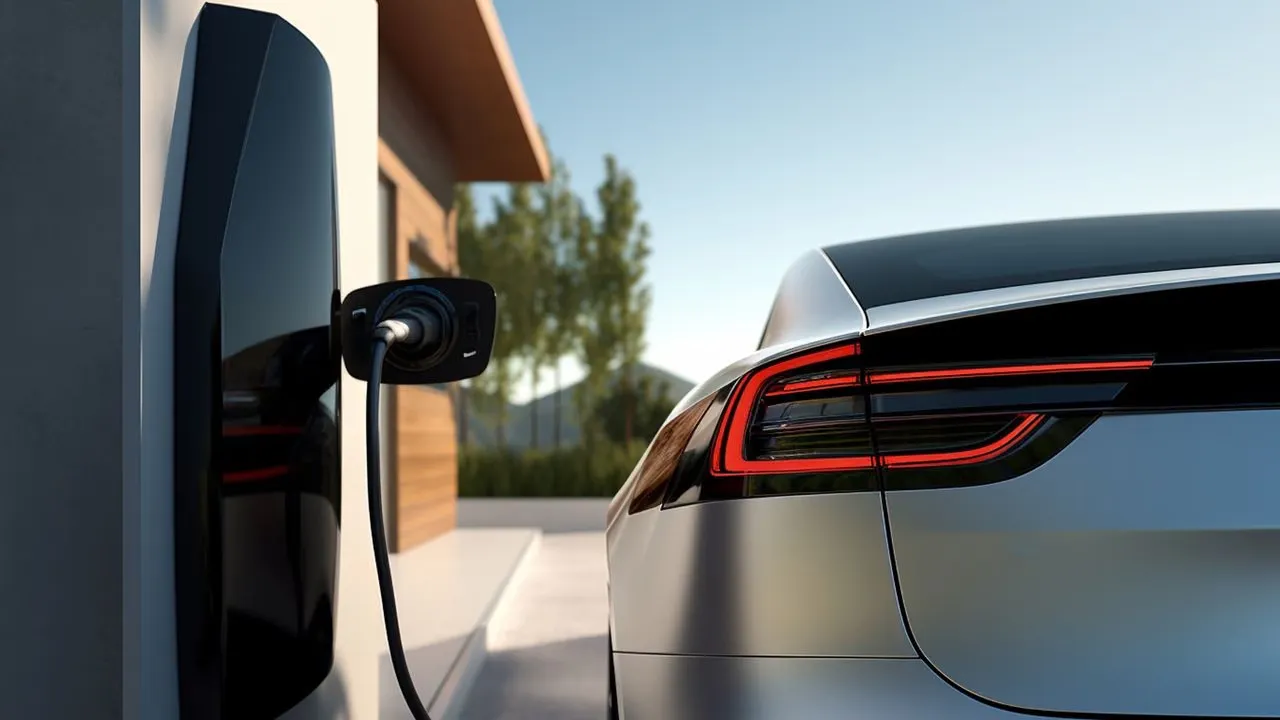
Electric Vehicle Charging at Home: Options and Considerations
As electric vehicles (EVs) become increasingly popular, more and more people are considering the convenience of charging their vehicles at home. With advancements in technology and the availability of various charging options, it has become easier than ever to power up your EV in the comfort of your own garage. In this article, we will explore the different options for home EV charging, the necessary equipment, and the considerations you should keep in mind.
Charging Power
When it comes to charging your electric vehicle at home, one of the important factors to consider is the charging power. Charging power is measured in kilowatts (kW) and determines how quickly your EV battery will charge. The higher the charging power, the faster your vehicle will be ready to hit the road again.
There are generally three levels of charging power for home EV charging:
- Level 1 Charging: This is the slowest charging option, typically using a standard 120-volt household outlet. Level 1 charging provides around 2-5 miles of range per hour of charging, making it suitable for overnight charging or for those with low daily driving needs.
- Level 2 Charging: Level 2 charging requires a 240-volt circuit and a dedicated charging station. It provides a faster charging rate, typically offering 10-30 miles of range per hour of charging. Level 2 charging is ideal for most EV owners as it provides a good balance between charging speed and convenience.
- Level 3 Charging (DC Fast Charging): This is the fastest charging option available for EVs. Level 3 charging stations use direct current (DC) and can charge an EV battery to 80% in as little as 30 minutes. However, these charging stations are more expensive and require professional installation, making them less common for home use.
Charging Equipment
To charge your electric vehicle at home, you will need the appropriate charging equipment. The most common types of charging equipment include:
- Portable Charging Cables: These cables are typically provided with your EV and can be plugged into a standard household outlet for Level 1 charging. While convenient, they are slower and may not be suitable for daily charging needs.
- Level 2 Charging Stations: Level 2 charging stations are wall-mounted units that require professional installation. They provide faster charging speeds and are more convenient for daily use. These stations come with various features such as Wi-Fi connectivity, charging timers, and smartphone apps for monitoring.
- Level 3 Charging Stations: As mentioned earlier, Level 3 charging stations offer the fastest charging speeds but are less common for home use. They are typically found at public charging stations or along major highways for quick top-ups during long journeys.
Charging Installation
Installing a charging station at home requires careful consideration and professional assistance. Here are a few key points to keep in mind:
- Electrical Capacity: Before installing a Level 2 charging station, you need to ensure that your electrical panel has enough capacity to handle the additional load. It is recommended to consult with a licensed electrician to assess your electrical system’s capacity and make any necessary upgrades.
- Location: Choose a suitable location for your charging station, ideally near where you park your EV. Consider factors such as accessibility, weather protection, and the length of the charging cable required.
- Permits and Regulations: Check with your local authorities regarding any permits or regulations related to EV charging station installation. Some areas may have specific requirements or restrictions that need to be followed.
- Professional Installation: It is highly recommended to hire a licensed electrician or an EV charging station installer to ensure a safe and proper installation. They will handle the electrical connections, grounding, and any necessary upgrades.
By considering these options and factors, you can make an informed decision about the best charging solution for your electric vehicle at home. Whether you opt for Level 1, Level 2, or even Level 3 charging, having the convenience of charging your EV at home will undoubtedly enhance your overall ownership experience.