Electric Vehicle Charging at Home: Options & Considerations
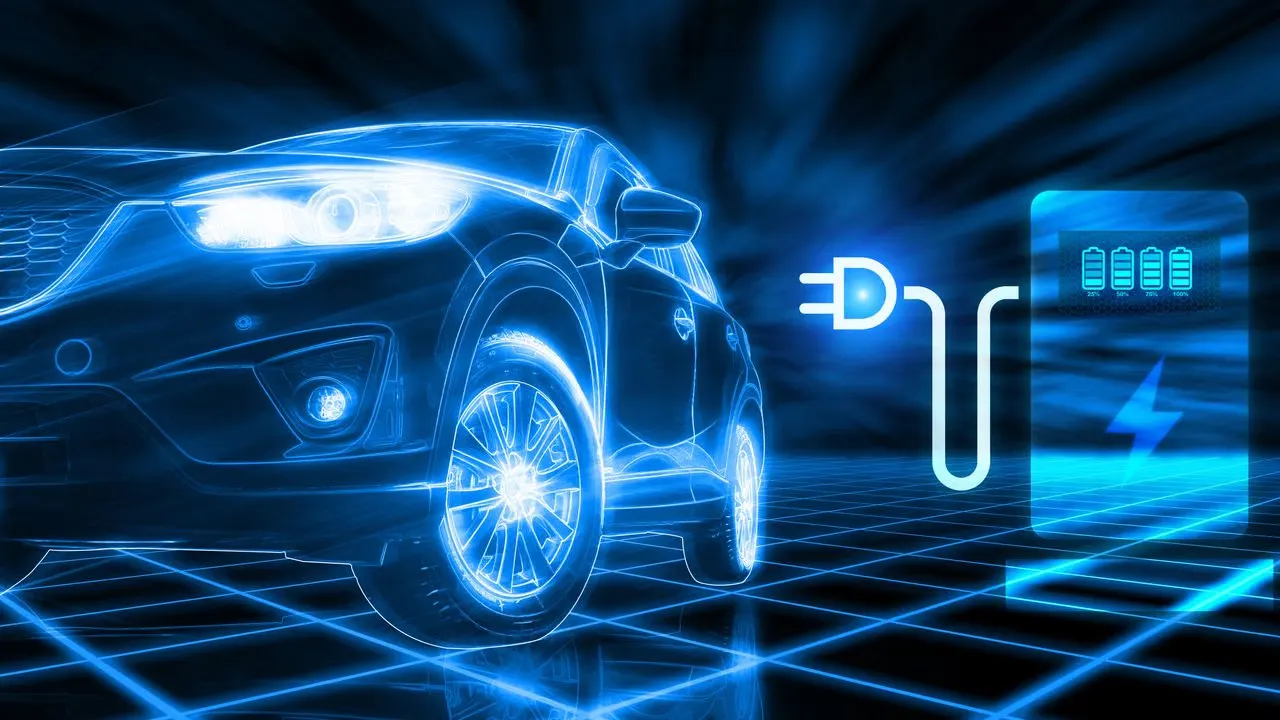
Electric Vehicle Charging at Home: Options and Considerations
Electric vehicles (EVs) are becoming increasingly popular as people seek more sustainable transportation options. One of the key considerations for EV owners is how to charge their vehicles at home. In this article, we will explore the different options available for residential charging and discuss important factors to consider.
Charging Time
When it comes to charging an electric vehicle at home, one of the primary concerns is the charging time. The charging time can vary depending on the charging equipment and the vehicle’s battery capacity.
Level 1 charging, also known as trickle charging, is the slowest option. It uses a standard household outlet (120 volts) and typically takes around 8 to 12 hours to fully charge an EV. This option is suitable for those who have ample time to charge their vehicles overnight or during the day.
Level 2 charging, on the other hand, provides faster charging speeds. It requires a dedicated 240-volt outlet and can charge an EV in approximately 4 to 8 hours. Level 2 charging stations are commonly installed in residential garages or carports and offer a more convenient charging experience for most EV owners.
Residential Charging
When setting up a residential charging station, there are a few options to consider. The first option is to use the charging equipment provided by the vehicle manufacturer. Most EVs come with a Level 1 charging cord that can be plugged into a standard household outlet. While this option is convenient, it may not be the fastest or most efficient way to charge your vehicle.
Another option is to install a Level 2 charging station at home. This requires hiring a licensed electrician to install a dedicated 240-volt outlet and the charging station itself. Level 2 charging stations offer faster charging speeds and are more convenient for daily use. They also provide a safer and more reliable charging experience compared to using a standard household outlet.
It’s important to note that the cost of installing a Level 2 charging station can vary depending on factors such as electrical panel capacity and the distance between the panel and the charging location. It’s recommended to get multiple quotes from licensed electricians to ensure a fair price.
Smart Charging
Smart charging is an emerging technology that allows EV owners to optimize their charging process. With smart charging, you can schedule your charging sessions to take advantage of off-peak electricity rates, reducing your overall charging costs.
Some smart charging stations also offer features such as load balancing, which ensures that your home’s electrical system is not overloaded when multiple appliances are in use simultaneously. This can be particularly useful for households with multiple EVs or high electricity consumption.
Furthermore, smart charging systems can be integrated with renewable energy sources, such as solar panels. This allows EV owners to charge their vehicles using clean, sustainable energy, further reducing their carbon footprint.
Conclusion
When it comes to charging your electric vehicle at home, there are several options and considerations to keep in mind. The charging time, residential charging options, and the emergence of smart charging technology all play a role in determining the best solution for your needs.
Whether you opt for Level 1 or Level 2 charging, it’s essential to ensure that your charging equipment is installed properly by a licensed electrician to guarantee safety and efficiency. Additionally, exploring the benefits of smart charging can help you optimize your charging process and reduce costs.
With the increasing availability of residential charging options and the continuous development of EV charging technology, owning an electric vehicle has never been more convenient. Embracing electric vehicles and adopting sustainable charging practices can contribute to a greener future for all.