Electric Cars in the Commercial Fleet Sector: A Sustainable Solution
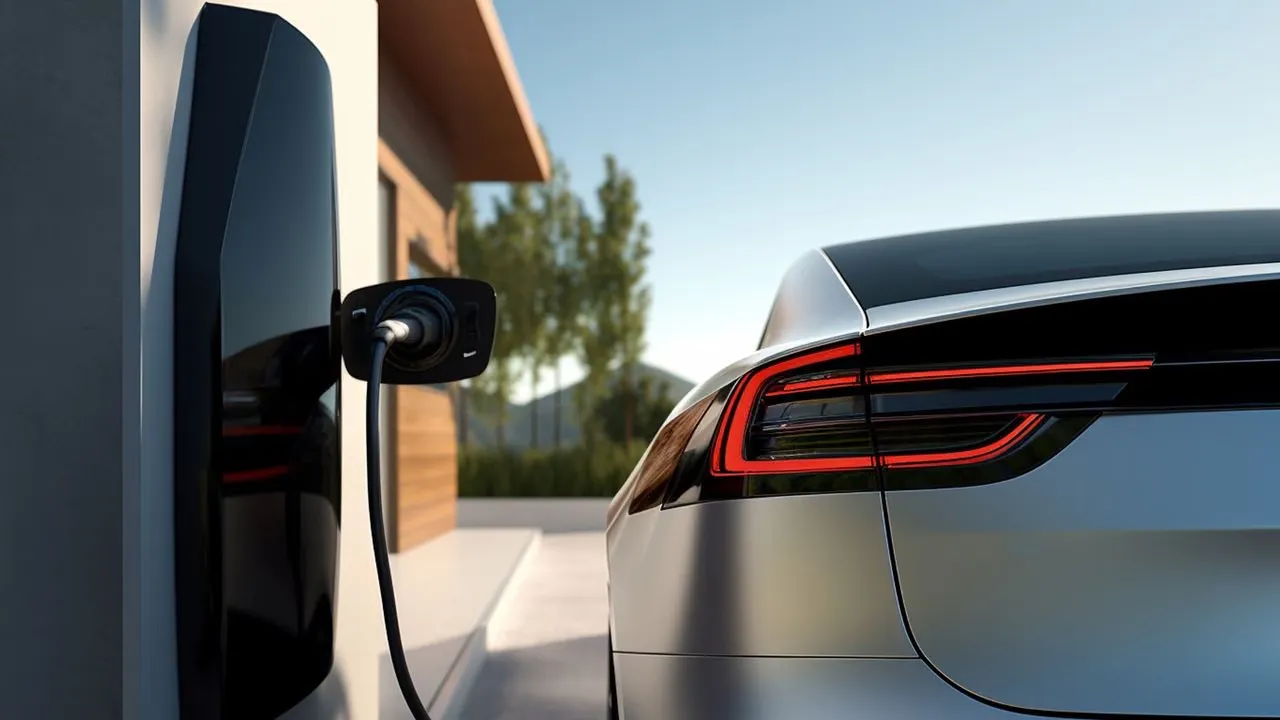
Electric Cars in the Commercial and Fleet Sector: A Sustainable Solution for Fleet Vehicle Emissions
As the world moves towards a more sustainable future, the commercial and fleet sector is also embracing the shift towards electric vehicles (EVs). With growing concerns about climate change and the need to reduce greenhouse gas emissions, many businesses are now considering the benefits of incorporating electric cars into their fleets.
EV Leasing for Fleets: Cost-Effective and Environmentally Friendly
One of the main advantages of electric cars for fleet use is their cost-effectiveness. While the upfront cost of purchasing an electric vehicle may be higher than a traditional gasoline-powered vehicle, the long-term savings are significant. EVs have lower operating costs, as they require less maintenance and have lower fuel costs. Additionally, government incentives and tax credits for electric vehicles can further reduce the overall cost of ownership.
Leasing electric vehicles for fleets is becoming an increasingly popular option. Leasing allows businesses to access the latest electric car models without the burden of ownership. It provides flexibility, as businesses can easily upgrade their fleet with newer and more advanced electric vehicles as technology improves. This also ensures that fleets have access to the latest safety features and advancements in electric vehicle technology.
Furthermore, EV leasing for fleets eliminates the hassle of reselling vehicles at the end of their lifecycle. As electric vehicles continue to gain popularity, the resale value of older models is expected to remain relatively high. This makes leasing an attractive option for businesses looking to minimize their financial risks and maximize their sustainability efforts.
Electric Delivery Vans: Revolutionizing Last-Mile Logistics
Another area where electric vehicles are making a significant impact is in the delivery sector. Electric delivery vans are becoming increasingly popular, as they offer a sustainable solution for last-mile logistics. With the rise of e-commerce, the demand for efficient and environmentally friendly delivery services has grown exponentially.
Electric delivery vans not only reduce fleet vehicle emissions but also provide cost savings for businesses. The lower operating costs of electric vehicles, coupled with the potential for reduced maintenance and fuel costs, make them an attractive option for delivery companies. Moreover, electric vans can access low-emission zones and benefit from incentives such as reduced toll fees or free parking, further reducing operational expenses.
Additionally, electric delivery vans offer a quieter and more pleasant experience for both drivers and customers. The absence of noisy engines and exhaust fumes contributes to a healthier and more enjoyable urban environment.
The Future of Electric Cars in the Commercial and Fleet Sector
While the adoption of electric cars in the commercial and fleet sector is still in its early stages, the future looks promising. As technology continues to advance, the range and charging infrastructure for electric vehicles are improving, addressing some of the initial concerns businesses had about adopting EVs.
Government initiatives and regulations aimed at reducing carbon emissions are also driving the transition towards electric vehicles. Many countries have set ambitious targets for phasing out fossil fuel-powered vehicles, incentivizing businesses to embrace electric cars in their fleets.
Overall, electric cars offer a sustainable and cost-effective solution for fleet vehicle emissions. With the benefits of EV leasing for fleets and the rise of electric delivery vans, businesses can reduce their carbon footprint while enjoying long-term financial savings. As the commercial and fleet sector continues to prioritize sustainability, electric vehicles are set to play a crucial role in shaping the future of transportation.