Cut Home EV Charging Costs and Energy
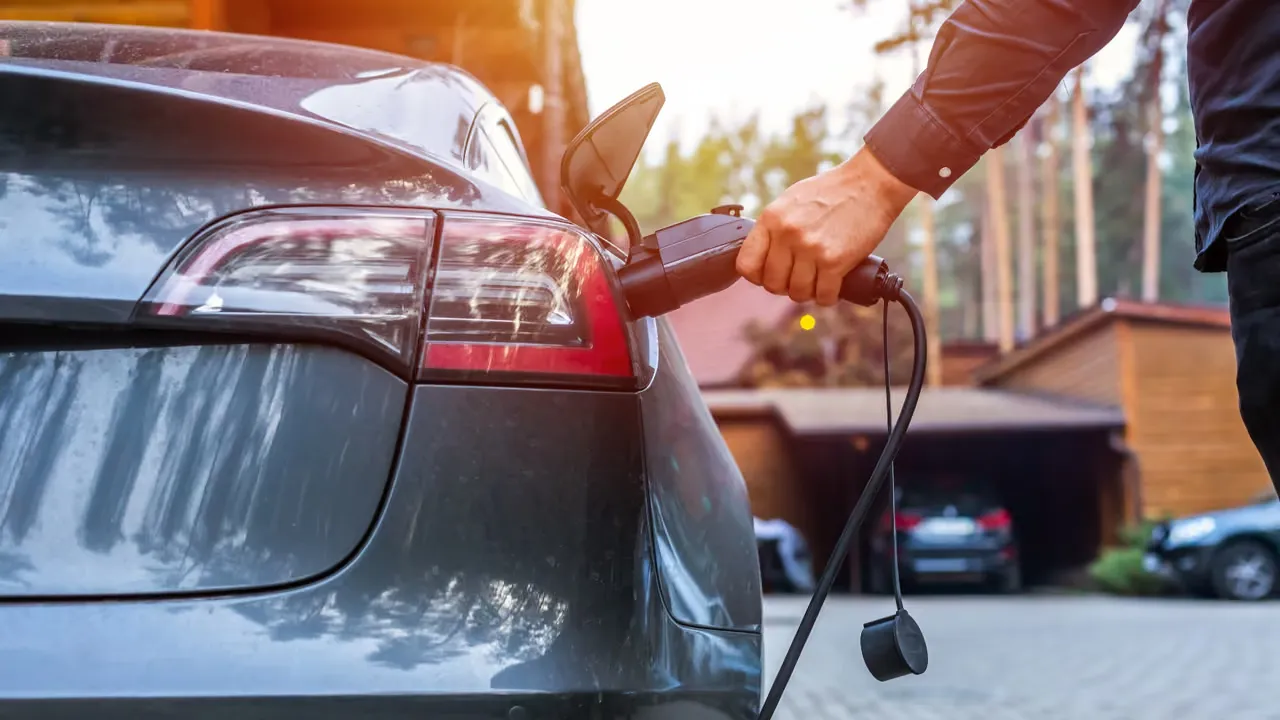
How can you make your home electric vehicle (EV) charging setup more energy efficient while cutting down on costs? As EVs become a staple in more households, optimizing the way you charge at home is no longer just about convenience — it’s about making smarter choices that save money and reduce your environmental footprint.
Understanding Your Home Electrical System for EV Charging
Before plugging in your EV, it’s crucial to understand the capacity of your home’s electrical system. Most homes in the US, for example, operate on a 100-amp or 200-amp service panel. The available amperage determines how powerful your EV charger can be without overloading your system.
If your panel is older or already near capacity with your household appliances, adding a high-powered EV charger might require an upgrade. This can be costly upfront but pays off in the long run by allowing faster and more efficient home charging. An electrician can perform a load calculation to assess the feasibility and safety of your desired setup.
Ignoring this step can lead to tripped breakers, frequent power outages, or even electrical hazards. Knowing your system’s limits helps you pick the right charger and avoid unnecessary expenses.
Choosing the Right Charging Equipment for Your Needs
EV chargers come in various levels, primarily Level 1 and Level 2 for home use. Level 1 chargers use a standard household outlet (120 volts) and provide a slow charge—typically adding about 3-5 miles of range per hour. Level 2 chargers require a 240-volt outlet and can add 15-30 miles of range per hour, offering a much faster and more efficient charge.
But faster doesn’t always mean better for your wallet. Level 2 chargers are more efficient and convenient, but they also draw more power. If your driving habits don’t require rapid charging, a Level 1 charger might suffice and save on installation costs.
Additionally, look for chargers with smart features. Wi-Fi connectivity, app controls, and energy monitoring allow you to schedule charging sessions and monitor energy consumption in real time. These features enable you to avoid peak electricity rates and maximize energy efficiency.
Timing Your Charging Sessions to Benefit from Off-Peak Rates
Electricity pricing often varies throughout the day, with off-peak hours offering significantly lower rates. Many utility companies have time-of-use (TOU) plans that reward customers who shift their electricity consumption to these cheaper periods — usually late at night or early morning.
By scheduling your EV to charge during off-peak times, you can drastically reduce the cost of powering your vehicle. Smart chargers make this easy by allowing you to set charging windows that align with your utility’s TOU rates. Even without a smart charger, using a simple timer can help you take advantage of these savings.
Some utilities also provide incentives or rebates for EV owners who participate in demand response programs, where charging may be reduced during peak grid demand to stabilize the system. Participating in these programs not only saves you money but supports grid reliability and cleaner energy use.
Integrating Renewable Energy Sources with Home Charging
Pairing your EV charging setup with renewable energy sources amplifies both energy efficiency and sustainability. Solar panels are the most common choice for homeowners looking to reduce their carbon footprint and energy bills.
With solar, you can generate your own electricity during the day and use it to charge your EV, either directly or by storing excess power in a home battery system for nighttime charging. This approach can significantly cut down on the amount of grid electricity you purchase, especially if your utility’s grid power is generated from fossil fuels.
While the upfront costs of solar panels and battery storage can be high, incentives such as tax credits, rebates, and net metering programs often reduce the financial burden. Over time, the savings on your electric bill and the environmental benefits make the investment worthwhile.
For those unable or unwilling to install solar panels, some utilities offer green energy programs that allow you to purchase renewable energy credits or source your electricity from clean providers. Combining these programs with off-peak charging and smart chargers still moves your home EV charging towards sustainability and efficiency.