Charging Homes With Clean Energy
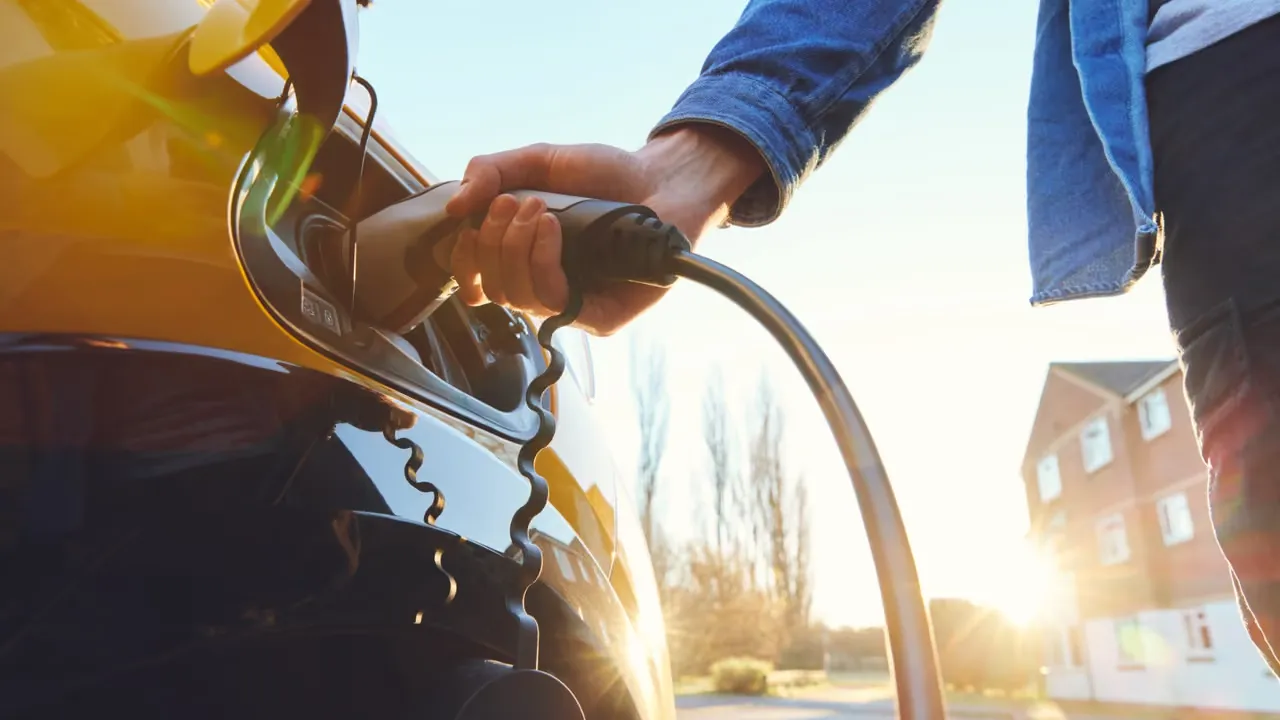
Imagine pulling into your driveway after a day’s work, plugging your electric car into a charging station powered entirely by the solar panels on your roof. The energy stored during the sunlit hours now flows seamlessly into your vehicle’s battery, ready to take you wherever you need to go without a single drop of fossil fuel. This scene, once the realm of science fiction, is becoming increasingly common as electric vehicles (EVs) reshape not only how we drive but also how we produce and consume energy.
Linking Electric Vehicles with Renewable Energy Sources
Electric cars are more than just a green alternative to gasoline-powered vehicles; they are catalysts for a broader shift toward renewable energy. When EVs charge from a grid powered by solar, wind, or hydroelectric energy, they directly reduce carbon emissions associated with transportation. But the relationship is not one-way. The rise of electric vehicles is pushing utilities and policymakers to accelerate renewable energy projects to meet the growing demand for clean electricity.
Renewables like solar and wind are inherently variable, dependent on weather and time of day. EVs, which require charging during off-peak hours or overnight, create a new kind of demand that can be aligned with periods of surplus renewable generation. This connection encourages the expansion of renewable infrastructure, as utilities invest more in green energy sources to keep up with EV adoption.
Impact on the Electrical Grid and Energy Storage Solutions
The influx of electric vehicles presents both challenges and opportunities for the electrical grid. On one hand, a sudden surge in electricity demand from thousands or millions of EVs could strain existing grid infrastructure if not managed properly. On the other hand, EVs themselves can act as mobile energy storage units, offering potential solutions for grid stability.
Innovations like vehicle-to-grid (V2G) technology allow electric cars to not only draw electricity from the grid but also feed stored energy back during peak demand times. This two-way interaction can help balance supply and demand, especially when paired with renewable sources that fluctuate throughout the day.
Energy storage technologies, including stationary batteries and EVs, are becoming essential components of a modern, resilient grid that efficiently integrates renewables. Utilities and energy companies are increasingly exploring how fleets of EVs can support grid services, reduce the need for fossil-fuel power plants, and lower overall emissions.
Innovations in Home Charging Powered by Solar and Wind
Home charging solutions for electric vehicles are evolving rapidly, with many owners integrating their charging systems with renewable energy installations. Solar panels on rooftops, combined with home battery storage, allow EV owners to generate and store their own clean electricity for vehicle charging.
- Smart charging systems optimize when and how a car charges based on energy availability and pricing, reducing costs and environmental impact.
- Integrated solar EV chargers can directly connect solar arrays to vehicles, minimizing energy losses and bypassing the grid.
- Wind-powered home systems are less common but gaining attention, especially in rural or off-grid areas where wind turbines can complement solar generation.
These innovations not only empower consumers to reduce their carbon footprint but also ease the strain on the grid by shifting charging to times when renewable energy is abundant.
Future Prospects Synergy Between EVs and Clean Energy Expansion
The future of electric vehicles is deeply intertwined with the future of renewable energy. As battery technology advances and charging infrastructure expands, the synergy between EVs and clean energy will grow stronger.
Urban planners and energy strategists are beginning to design cities and electrical systems that fully embrace this integration. Ideas like EVs as distributed energy resources, peer-to-peer energy trading between EV owners, and widespread V2G adoption could transform how we think about transportation and electricity.
Moreover, the increased demand for EVs incentivizes the mining and development of battery materials, spurring innovations in recycling and sustainable sourcing, which further enhance the environmental benefits of this transition.
In essence, electric cars are not just vehicles; they are moving pieces of a cleaner, smarter energy puzzle that promises to reshape the way we power our lives and move through the world.