Charging EVs Faster and More Convenient
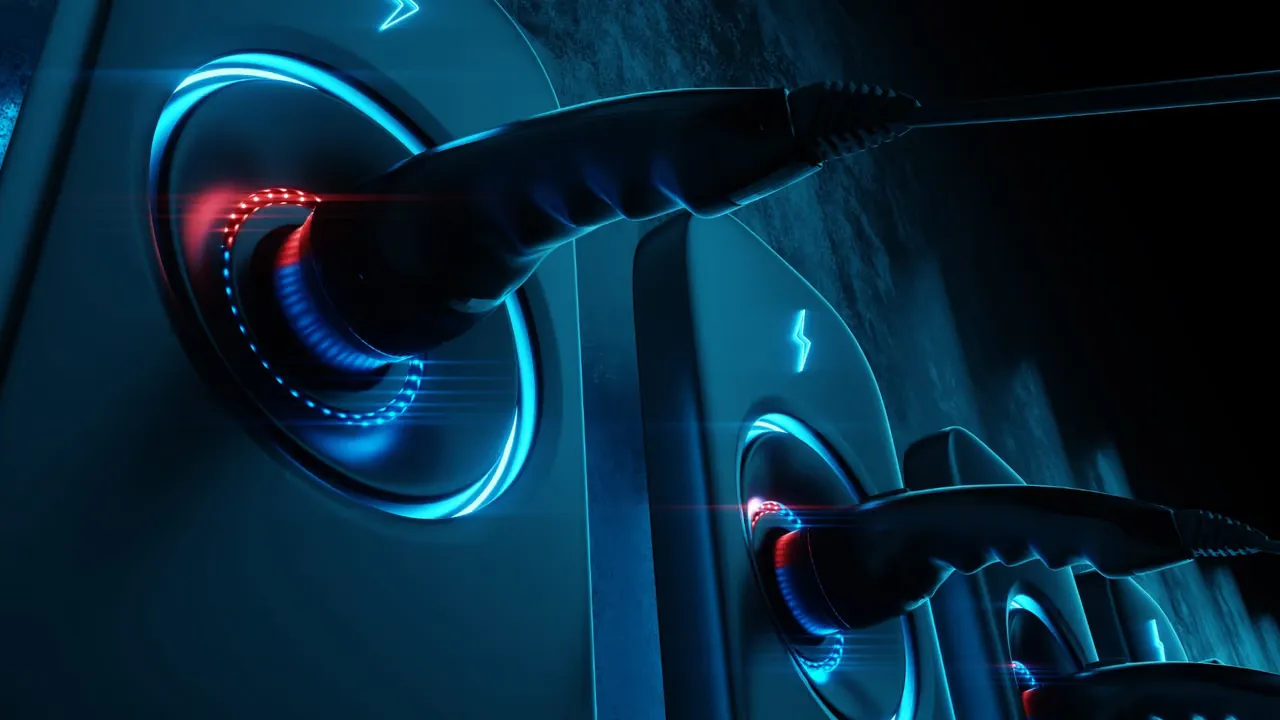
Electric vehicle charging is no longer just about plugging in and waiting. Innovations are rapidly transforming how we power EVs, pushing the boundaries beyond traditional cords and sockets. The future of EV charging promises not only speed and convenience but also smarter integration with energy systems and greater environmental responsibility.
Wireless Charging The Next Step in Convenience
Imagine pulling into your driveway or parking lot and having your EV charge automatically—no cables, no plugs, just seamless power transfer. Wireless charging technology, also known as inductive charging, is making this a reality. By placing a charging pad beneath the vehicle and another embedded in the ground, electricity flows through electromagnetic fields. This method eliminates the hassle of managing cords and can even enable dynamic charging while driving on specially equipped roads.
Companies and research institutions are already testing wireless charging lanes that allow vehicles to recharge as they move. Although this technology is still in early stages, the convenience it offers is undeniable. Wireless charging can simplify urban parking and reduce wear and tear on charging equipment, making EV ownership more accessible and user-friendly.
Ultra-Fast Charging Stations Reducing Wait Time
One of the biggest pain points for EV drivers has been the time it takes to recharge. Traditional chargers often require 30 minutes to several hours to provide a full or partial charge. Ultra-fast charging stations are changing the game by delivering power at rates that can charge a vehicle to 80% in 15 minutes or less.
These stations utilize high-powered DC chargers that can output 150 kW or more. Some cutting-edge models even exceed 350 kW, pushing the limits of battery technology and thermal management. To support these speeds, EV batteries are being designed with faster charging capabilities and better cooling systems.
Ultra-fast charging is critical for long-distance travel and commercial fleet operations, where downtime means lost productivity. As battery and charger technologies evolve, the gap between fueling a gasoline car and charging an EV continues to narrow.
Smart Charging Networks Integrating AI and Grid Management
Charging an EV is more than just connecting to a power source. Smart charging networks are emerging that use artificial intelligence and real-time data to optimize when and how vehicles charge. These systems can reduce electricity costs for owners and alleviate strain on the power grid.
For example, smart chargers can schedule charging during off-peak hours when electricity demand and prices are lower. AI algorithms analyze patterns of vehicle use, forecast grid load, and even adjust charging rates dynamically to prevent overloads. This intelligent coordination supports grid stability and maximizes the use of renewable energy.
Vehicle-to-grid (V2G) technology is another aspect of smart networks. It allows EVs to send stored energy back to the grid during peak demand, effectively turning parked cars into mobile energy storage units. This two-way interaction could revolutionize how we think about energy consumption and distribution.
Sustainability in EV Charging Renewable Energy Integration
Charging an electric vehicle is only as green as the energy powering it. The integration of renewable energy sources like solar and wind into EV charging infrastructure is crucial for reducing carbon footprints.
Many charging stations now incorporate solar panels or tap into green energy tariffs, ensuring electricity comes from clean sources. Some setups include battery storage systems that store excess renewable energy for use during peak demand or at night.
Innovative projects are exploring entirely off-grid charging stations powered by renewables. These stations can operate in remote areas without relying on fossil-fuel-based electricity, expanding EV accessibility while maintaining sustainability goals.
As the renewable energy sector grows and battery costs decrease, the coupling of EV charging with clean power becomes not just an ideal but an achievable standard.