Advantages of Electric Cars: Clean Energy & Savings
Advantages of Electric Cars Over Internal Combustion Engine Vehicles
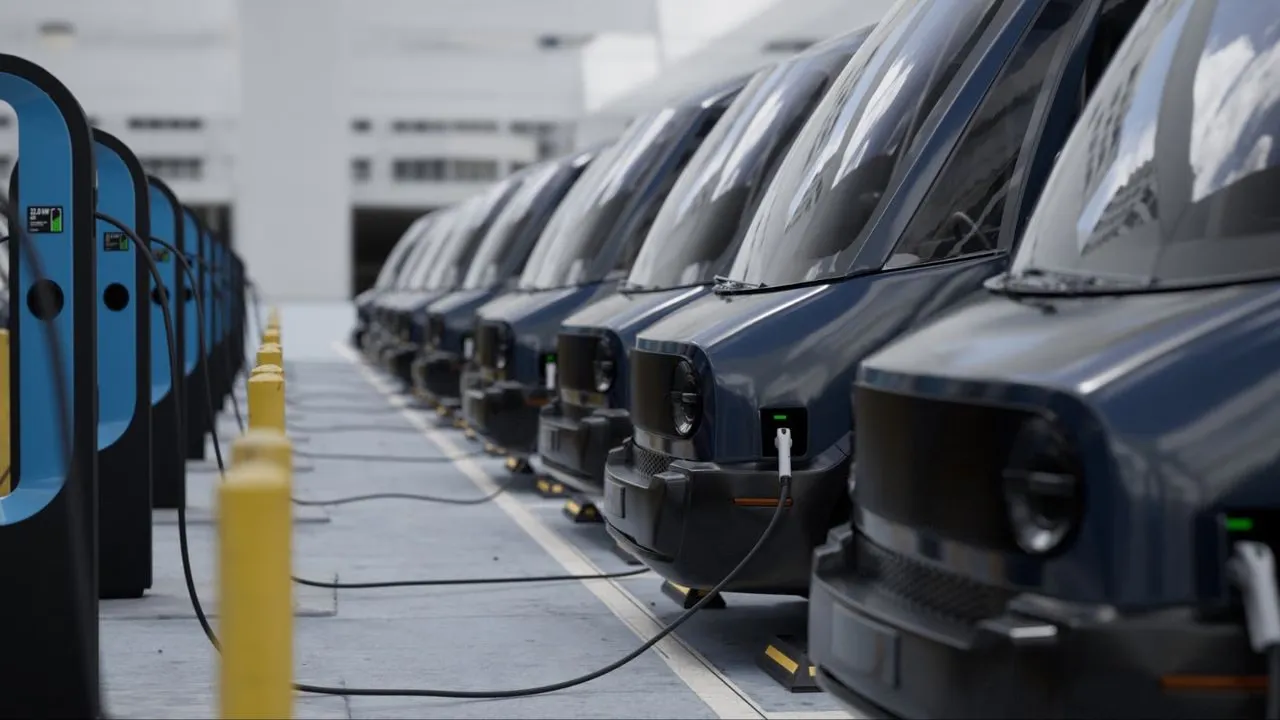
Electric cars have gained significant popularity in recent years due to their numerous advantages over traditional internal combustion engine (ICE) vehicles. As the world increasingly focuses on clean energy and reducing carbon emissions, electric cars have emerged as a promising solution for a greener future. In this article, we will explore the advantages of electric cars, including clean energy, energy independence, and potential savings.
Clean Energy
One of the most significant advantages of electric cars is their contribution to clean energy. Unlike ICE vehicles that rely on fossil fuels, electric cars run on electricity, which can be generated from renewable sources such as solar, wind, or hydro power. By shifting to electric vehicles, we can significantly reduce greenhouse gas emissions and combat climate change. Electric cars produce zero tailpipe emissions, resulting in improved air quality and reduced pollution in urban areas.
Energy Independence
Electric cars also offer the advantage of energy independence. With the ability to generate electricity from renewable sources, individuals and communities can become less reliant on fossil fuels and foreign oil. This shift towards electric transportation promotes energy security and reduces the vulnerability associated with fluctuating oil prices and geopolitical tensions. By embracing electric cars, we can take control of our energy future and reduce our dependence on non-renewable resources.
Savings
Electric cars can provide significant savings compared to ICE vehicles. Although the upfront cost of electric cars may be higher, they have lower operating and maintenance costs. Electric cars have fewer moving parts, eliminating the need for oil changes and reducing the frequency of maintenance visits. Additionally, electricity is generally cheaper than gasoline, resulting in lower fuel costs. Over time, the savings on fuel and maintenance expenses can offset the higher initial investment, making electric cars a financially viable option.
Moreover, governments and utility companies often offer incentives and tax credits to encourage the adoption of electric vehicles. These incentives can further reduce the cost of purchasing an electric car and make it even more affordable for consumers. Additionally, some workplaces and public areas provide free or discounted charging stations, allowing electric car owners to save on charging expenses.
Conclusion
Electric cars offer numerous advantages over traditional ICE vehicles. They contribute to clean energy, promote energy independence, and provide potential savings for consumers. As technology continues to advance and charging infrastructure improves, the adoption of electric cars is expected to increase, leading to a more sustainable and environmentally friendly transportation system. By embracing electric vehicles, we can pave the way for a greener future and reduce our carbon footprint.