Advancements in Electric Vehicle Battery Technology
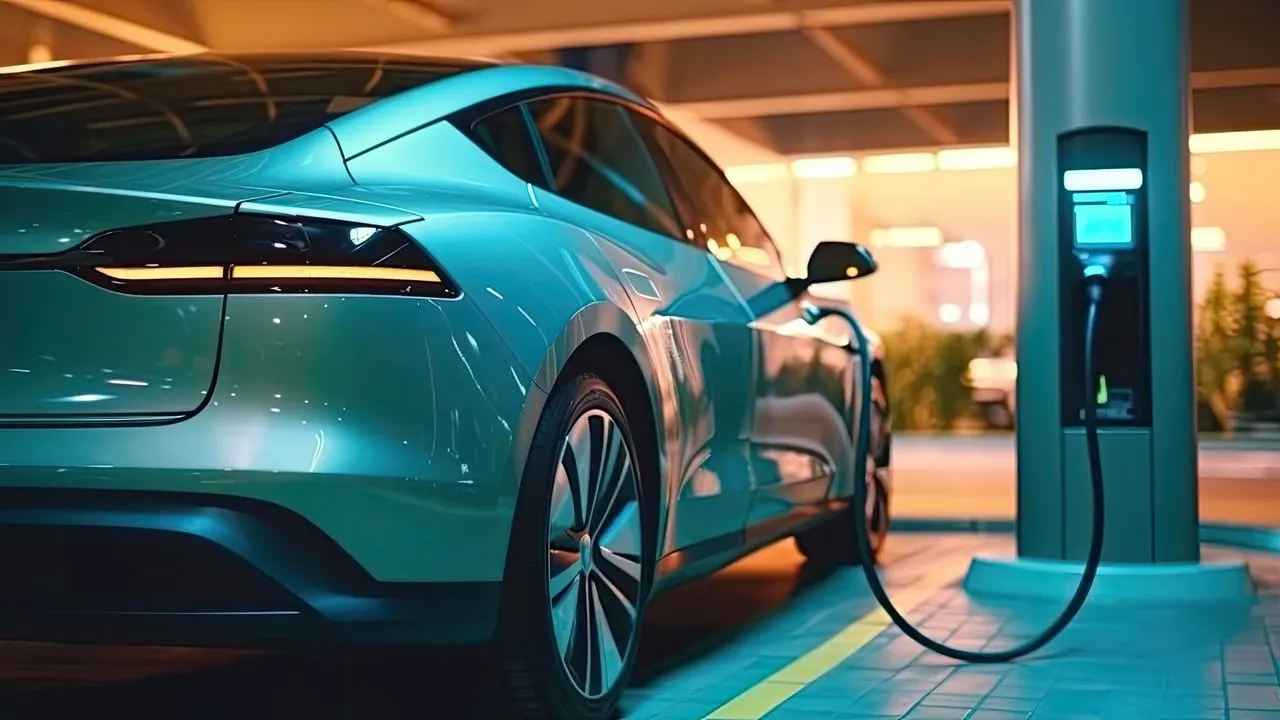
Battery Technology and Advancements in Electric Vehicles
Electric vehicles (EVs) have gained significant popularity in recent years, thanks to advancements in battery technology. These advancements have addressed some of the major concerns associated with EVs, such as range anxiety, charging speed, and battery recycling. In this article, we will explore how battery technology has evolved to overcome these challenges.
Range Anxiety
One of the primary concerns for potential EV owners is range anxiety – the fear of running out of battery power before reaching their destination. Early EV models had limited driving ranges, which made long-distance travel inconvenient. However, with advancements in battery technology, this concern has been largely mitigated.
Newer EV models are equipped with high-capacity lithium-ion batteries that offer significantly improved driving ranges. Some models can now travel over 300 miles on a single charge, making them suitable for long journeys. Additionally, the development of fast-charging infrastructure has made it easier for EV owners to recharge their vehicles during pit stops, reducing the fear of running out of power.
Charging Speed
Charging speed is another crucial aspect of EVs that has seen significant improvements. In the past, charging an electric vehicle could take several hours, which was inconvenient for many drivers. However, with the introduction of fast-charging technology, charging times have been significantly reduced.
Fast-charging stations, also known as DC fast chargers, can charge an EV’s battery to 80% capacity in as little as 30 minutes. This means that drivers can quickly recharge their vehicles while taking a short break, making long-distance travel more feasible. Additionally, advancements in battery management systems have made it possible to optimize charging speeds without compromising the battery’s lifespan.
Battery Recycling
As the popularity of EVs continues to grow, the issue of battery recycling has become increasingly important. EV batteries contain valuable materials, such as lithium, cobalt, and nickel, which can be reused in the production of new batteries. Proper recycling not only reduces environmental impact but also helps to minimize the demand for raw materials.
Battery recycling processes have improved significantly in recent years. Advanced recycling technologies allow for the efficient recovery of valuable materials from used EV batteries. These materials can then be repurposed for the manufacturing of new batteries or used in other industries. Battery manufacturers and governments are also investing in research and development to further improve recycling methods and increase the overall sustainability of EVs.
Conclusion
Advancements in battery technology have revolutionized the electric vehicle industry, addressing concerns related to range anxiety, charging speed, and battery recycling. With improved driving ranges, faster charging times, and efficient recycling processes, EVs are becoming a more viable and sustainable transportation option.
As battery technology continues to evolve, we can expect even more significant improvements in the future. This will further enhance the appeal of electric vehicles and contribute to a greener and more sustainable future.